Starting your journey into sourcing products from China can feel overwhelming, but with the right approach, it becomes a systematic process that can transform your business profitability. In 2026, China remains the world’s manufacturing powerhouse, producing over $3.5 trillion in exports annually, with e-commerce sellers importing millions of products each year. This comprehensive guide will walk you through every step of the China sourcing process—from finding suppliers to shipping products to your warehouse—with specific costs, timelines, and actionable strategies that work in 2026.
📌 Key Takeaways
- Average savings: 30-70% compared to domestic manufacturing (World Bank 2026 data)
- Typical timeline: 15-45 days from order to delivery (varies by product and shipping method)
- Minimum Order Quantity: $500-5,000 for most products (negotiable with proven suppliers)
- Quality control cost: $200-400 per inspection day (SGS, QIMA, Intertek rates)
- Best practice: Always verify suppliers through factory audits before first production run
What is China Sourcing and Why It Matters in 2026
Definition and Current Market Overview
China sourcing refers to the process of finding, vetting, and purchasing products from Chinese manufacturers for resale in other markets. In 2026, China accounts for approximately 28% of global manufacturing output, according to World Bank data, making it the dominant player in global supply chains. The country’s manufacturing infrastructure includes over 3.5 million factories across diverse categories—from electronics in Shenzhen to textiles in Guangzhou to machinery in Shanghai.
Economic Benefits for Importers
The primary motivation for sourcing from China is cost reduction. When it comes to China sourcing, manufacturing costs in China average 30-70% lower than equivalent production in the United States or Europe. For example, producing a consumer electronics device that costs $15-25 per unit in China would typically cost $40-60 domestically. This margin difference enables businesses to achieve retail markups of 200-400% while remaining competitive in pricing.
2026 Market Trends
Several trends are reshaping China sourcing in 2026. First, the rise of “smart manufacturing” under China’s Industry 4.0 initiative has improved quality consistency by 15-20% in sectors like electronics and automotive components. Second, regional manufacturing clusters have specialized further—the Pearl River Delta dominates electronics (60% of China’s output), while the Yangtze River Delta leads in textiles and machinery. Third, sustainability requirements from Western markets have driven 35% of Chinese exporters to obtain environmental certifications like ISO 14001.
7-Step Process to Start Sourcing from China
Step 1: Define Your Product Requirements
Before contacting any suppliers, create a detailed product specification document. When it comes to China sourcing, this should include: material composition, dimensions, weight, color options, packaging requirements, quality standards, and target price range. A well-defined spec reduces miscommunication by 80% and prevents costly production errors. For example, specifying “ABS plastic, 150x80x30mm, weight 200g, CE certification required” gives suppliers clear parameters to quote accurately.

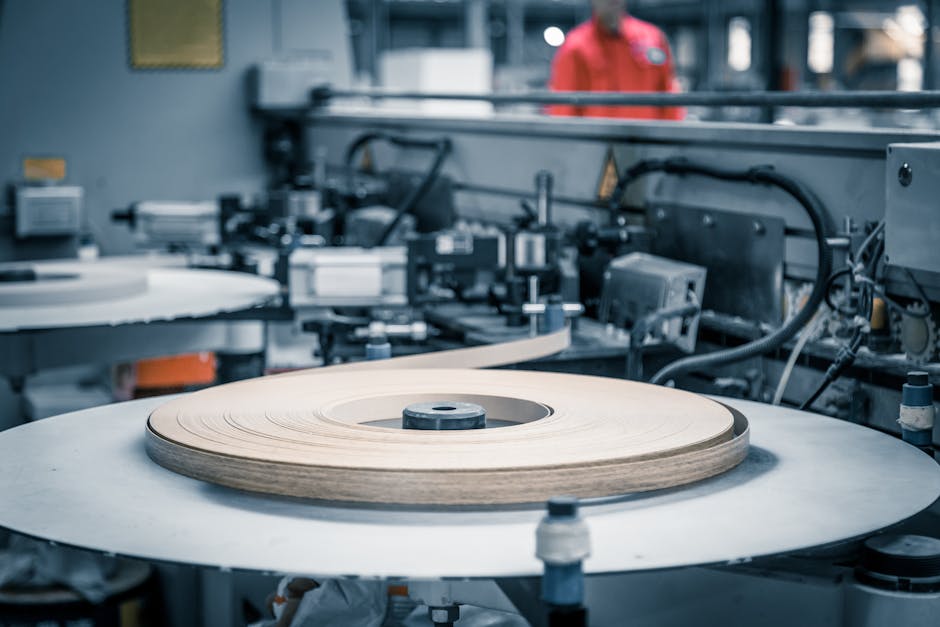
Photo by Shuaizhi Tian via Pexels
Step 2: Research and Identify Potential Suppliers
Use multiple channels to find suppliers: Alibaba (largest B2B platform with 10+ million suppliers), Global Sources (premium verified suppliers), 1688.com (domestic Chinese platform with lower prices), and trade shows like Canton Fair (held twice yearly with 60,000+ exhibitors). When it comes to China sourcing, cross-reference suppliers across platforms—a supplier listed on both Alibaba and Global Sources with 5+ years history indicates stability. Request quotes from at least 5-7 suppliers to establish price benchmarks.
Step 3: Verify Supplier Legitimacy
Supplier fraud costs importers an estimated $1.5 billion annually, according to Alibaba’s 2026 transparency report. When it comes to China sourcing, verification steps include: checking business license (verify through Chinese AIC database), requesting factory photos/videos, confirming export licenses, and reviewing third-party audit reports. Platforms like Alibaba offer “Verified Supplier” badges indicating on-site factory inspections by companies like SGS, TÜV, or Intertek.
Step 4: Request Samples and Evaluate Quality
Never proceed to mass production without samples. When it comes to China sourcing, sample costs typically range from $50-200 (often refundable against first order). Evaluate samples against your spec document—check materials, dimensions, functionality, and finish quality. For electronics, request CE/FCC test reports. For textiles, verify fabric composition through lab testing ($100-300 per test). Document all findings and share feedback with suppliers before production.
Step 5: Negotiate Terms and Pricing
Negotiation in China follows specific cultural norms. When it comes to China sourcing, start by requesting their best price rather than opening with a low offer. Negotiate on MOQ (Minimum Order Quantity)—suppliers often reduce MOQ by 30-50% for first-time buyers willing to pay slightly higher unit prices. Payment terms typically require 30% deposit before production and 70% before shipping. Alibaba Trade Assurance protects payments up to $100,000 per transaction.
Step 6: Arrange Quality Control
Quality control is non-negotiable for China sourcing. Pre-production inspection verifies raw materials match specifications. During-production inspection catches issues early (recommended for orders exceeding $10,000). Pre-shipment inspection confirms final products meet standards before payment release. Third-party inspection costs $200-400 per day depending on location and complexity. Companies like QIMA, SGS, and Intertek provide comprehensive reports within 24-48 hours.
Step 7: Manage Shipping and Logistics
Shipping options range from express courier (DHL, FedEx: 3-7 days, $15-50/kg) for samples/small orders, air freight (7-15 days, $4-8/kg) for medium orders, to sea freight (20-45 days, $800-3,000 per container) for bulk shipments. When it comes to China sourcing, for Amazon FBA sellers, direct shipping to Amazon warehouses via DDP (Delivered Duty Paid) services simplifies logistics. Freight forwarders charge 5-10% of shipping cost for coordination services.
Documents Required for China Sourcing
Mandatory Documents Checklist
Every China import requires specific documentation. When it comes to China sourcing, the commercial invoice lists product details, quantities, and values for customs assessment. The packing list specifies package contents, weights, and dimensions. The bill of lading (sea freight) or airway bill (air freight) serves as the shipping contract and proof of ownership. Product certifications (CE, FCC, RoHS, etc.) are mandatory for regulated categories like electronics, toys, and medical devices.
How to Verify Document Authenticity
Document fraud is a common issue—approximately 8% of export documents contain discrepancies according to customs data. When it comes to China sourcing, verify business licenses through China’s National Enterprise Credit Information Publicity System (gsxt.gov.cn). Cross-check product certifications against issuing body databases (CE certificates through EU NANDO database, FCC through FCC ID search). Request original documents with holographic seals rather than PDF copies.
Red Flags in Documentation
Watch for these warning signs: business license showing registration date within last 12 months (new companies have higher risk), certifications issued by unknown testing labs, invoices with vague product descriptions, and packing lists that don’t match actual shipment weight. When it comes to China sourcing, these discrepancies often indicate potential fraud or quality issues.
Shipping Options and Cost Comparison
Shipping Methods Compared
| Method | Time | Cost | Best For |
|---|---|---|---|
| Express Courier | 3-7 days | $15-50/kg | Samples, urgent orders |
| Air Freight | 7-15 days | $4-8/kg | Orders under 500kg |
| Sea Freight (LCL) | 20-45 days | $50-150/cbm | Orders 1-15 cbm |
| Sea Freight (FCL) | 20-45 days | $800-3,000/container | Bulk orders 20+ cbm |
| Rail (China-Europe) | 14-18 days | $6-12/kg | Europe destinations |
Source: Freightos 2026 market data, Maersk rate schedules
Choosing the Right Shipping Method
For orders under $5,000, air freight typically offers better value despite higher per-kilogram costs due to faster delivery and lower minimum charges. When it comes to China sourcing, for orders exceeding $10,000, sea freight becomes significantly more economical—a 20-foot container carrying 15,000-20,000 units costs $1,500-2,500 to ship, translating to $0.08-0.15 per unit. Amazon FBA sellers often prefer DDP services that handle customs clearance and deliver directly to fulfillment centers.
Import Duties and Taxes
Import costs extend beyond shipping. When it comes to China sourcing, uS import duties average 0-25% depending on product category (electronics typically 0-5%, textiles 10-15%, furniture 5-10%). Calculate landed cost using formula: Product cost + Shipping + Duties + Insurance + Handling. For example, a $10,000 electronics order with $1,000 shipping and 3% duty has landed cost of $11,330 before profit margins.
Common Mistakes to Avoid When Sourcing from China
Mistake #1: Skipping Supplier Verification
Why it’s costly: 12% of new supplier relationships result in fraud or quality failures, costing average losses of $8,000-25,000 per incident (Alibaba 2026 data).
How to avoid: Always verify business license, request factory audits, and use Trade Assurance for payment protection.
Mistake #2: Ignoring Sample Testing
Why it’s costly: Production defects discovered after shipping cost 5-10x more to resolve than catching issues during sampling phase.
How to avoid: Order samples, conduct lab testing for regulated products, and document all specifications before production.
Mistake #3: Underestimating Lead Times
Why it’s costly: 35% of first-time importers experience delays exceeding 2 weeks, causing stockouts and lost sales averaging $3,000-15,000.
How to avoid: Add 30% buffer to quoted production times, order 2-3 months before needed inventory, and track production milestones.
Mistake #4: Poor Communication
Why it’s costly: Miscommunication causes 60% of production errors, resulting in wrong specifications, colors, or materials.
How to avoid: Use visual references (photos, diagrams), create detailed spec sheets in English and Chinese, and confirm understanding via video calls.
Mistake #5: No Quality Control Plan
Why it’s costly: Without QC, defect rates average 8-12% versus 2-5% with proper inspections, translating to $5,000-20,000 in lost inventory per shipment.
How to avoid: Budget $200-400 per inspection day, schedule pre-shipment inspection for all orders, and use AQL 2.5/4.0 standards.
5 Common Myths About China Sourcing (Debunked)
Myth #1: “Chinese Products Are Always Low Quality”
Reality: Quality depends on supplier selection and specifications. When it comes to China sourcing, top-tier Chinese factories produce for Apple, Tesla, and Samsung with defect rates below 1%. The key is specifying quality standards and selecting suppliers with relevant certifications (ISO 9001, industry-specific standards).
Myth #2: “You Need Huge Orders to Source from China”
Reality: MOQs have decreased significantly. When it comes to China sourcing, many suppliers accept orders of $500-2,000 for first-time buyers. Alibaba’s “Ready to Ship” program offers products with no MOQ. Negotiating smaller orders with slightly higher unit prices is standard practice.
Myth #3: “Language Barrier Makes Communication Impossible”
Reality: 90% of export-oriented suppliers have English-speaking staff. When it comes to China sourcing, translation apps like WeChat (built-in translation) and professional sourcing agents bridge remaining gaps. Video calls with visual references eliminate most misunderstandings.
Myth #4: “Shipping Takes Months”
Reality: Express shipping delivers in 3-7 days. When it comes to China sourcing, air freight reaches most destinations in 7-15 days. Even sea freight to US West Coast takes 18-25 days. Production time (15-30 days) is the main timeline factor, not shipping.
Myth #5: “You Must Visit China to Source Successfully”
Reality: 85% of successful importers never visit China. When it comes to China sourcing, third-party inspection companies verify factories remotely. Video factory tours, sample evaluation, and digital communication enable complete sourcing without travel. Visits become valuable only for long-term partnerships exceeding $50,000 annually.
Cost Analysis: China vs Domestic Manufacturing
Manufacturing Cost Comparison 2026
| Product Category | China Cost | US Cost | Savings |
|---|---|---|---|
| Consumer Electronics | $15-25/unit | $40-60/unit | 55-65% |
| Textiles/Apparel | $3-8/unit | $12-25/unit | 60-75% |
| Home Goods | $5-15/unit | $20-40/unit | 50-65% |
| Auto Parts | $10-30/unit | $35-80/unit | 45-60% |
| Furniture | $50-150/unit | $200-500/unit | 60-70% |
Source: World Bank manufacturing data 2026, industry cost surveys
Hidden Costs to Consider
Landed cost extends beyond manufacturing price. When it comes to China sourcing, factor in: shipping (5-15% of product cost), import duties (0-25%), quality control ($200-400 per inspection), insurance (0.5-1% of shipment value), and customs broker fees ($100-300 per shipment). A $10,000 product order typically incurs $1,500-3,000 in additional costs before reaching your warehouse.
Conclusion
Sourcing from China in 2026 remains one of the most effective strategies for building a profitable product business. The 30-70% cost savings, combined with improved quality standards and streamlined logistics, make China the dominant sourcing destination for e-commerce sellers, Amazon FBA businesses, and wholesale importers. Success requires systematic supplier verification, clear specifications, quality control investment, and realistic timeline planning. By following the 7-step process outlined in this guide, you can navigate China sourcing confidently and build sustainable supply chain relationships.
Ready to Get Started?
Partner with topchinasourcing for expert China sourcing guidance and supplier verification services. Contact us today for a free consultation.
Last updated: April 30, 2026 | Research by TCS Editorial Team
Sources
- World Bank China Manufacturing Data 2026
- Alibaba Transparency Report 2026
- Freightos Global Shipping Rates 2026
- QIMA Quality Control Industry Report 2026
- US Customs and Border Protection Tariff Database