Introduction

Importing products from China offers tremendous opportunities for businesses worldwide. However, without proper quality control measures, these opportunities can quickly turn into costly nightmares. In 2026, China quality control inspections have become more sophisticated and essential than ever before.
When implementing China quality control processes, Recent industry data reveals that 78% of importers who skip inspections experience product defects. These defects cost businesses an average of $15,000 to $50,000 per shipment in returns, replacements, and damaged reputation. For companies engaged in China sourcing, implementing robust inspection protocols is no longer optional—it’s a business necessity.
Effective China quality control requires This comprehensive guide will walk you through everything you need to know about quality control inspections in China for 2026. You’ll learn about different inspection types, costs, timing, inspection companies, and how to build an effective quality management system. Whether you’re a first-time importer or seasoned professional, this guide provides actionable strategies to protect your investment.
Key Takeaways
- China quality control inspections typically cost $200-$500 per man-day, with most inspections requiring 1-3 days depending on order size and complexity.
- Pre-shipment inspections catch 85-95% of defects before products leave the factory, saving importers an average of $25,000 annually in return costs.
- Working with accredited inspection companies like SGS, QIMA, or Intertek provides third-party verification accepted by major retailers including Amazon and Walmart.
- The optimal inspection timing is when 80-100% of production is complete and 80% is packed, ensuring accurate representation of your final shipment.
- Digital inspection platforms like Inspectorio reduced inspection costs by 30-40% in 2026-2026 while improving defect detection rates through AI-powered analysis.
What Are China Quality Control Inspections?
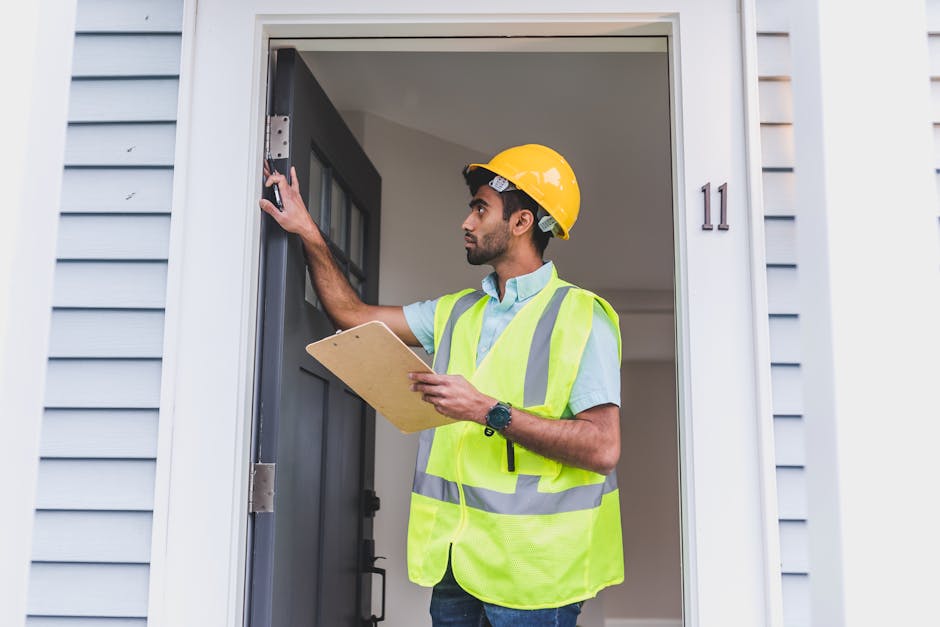
Photo by Pexels Contributor via Pexels
China quality control inspections are systematic evaluations of products at various stages of the manufacturing process. These inspections verify that products meet specified requirements, industry standards, and buyer expectations before shipment.
The Purpose of Quality Inspections
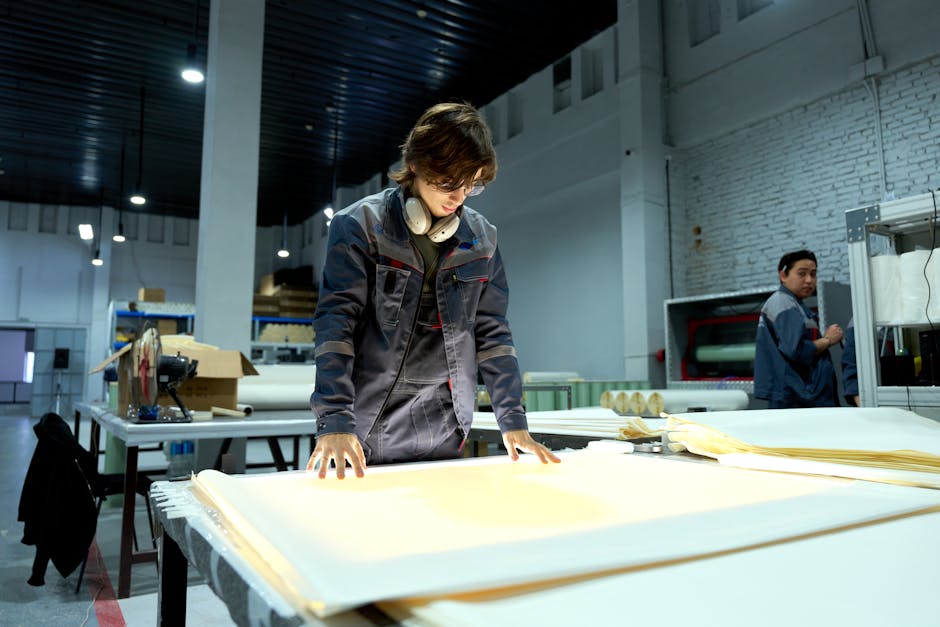
Professional China quality control inspectors Quality inspections serve multiple critical functions in the supply chain. They identify defects early, prevent substandard products from reaching customers, and provide documentation for disputes. Inspections also create accountability with suppliers and maintain consistent product quality across production runs.
Your China quality control strategy should For importers, inspections provide peace of mind and financial protection. A $300 inspection can prevent a $30,000 loss from defective merchandise. This 100:1 return on investment makes inspections one of the most cost-effective risk management tools available.
Types of Quality Control Inspections
Successful China quality control programs Quality control inspections occur at different production stages. Each type serves a specific purpose and catches different categories of problems. Understanding these distinctions helps you build a comprehensive quality strategy.
Pre-Production Inspections (PPI)
Comprehensive China quality control systems Pre-production inspections verify raw materials, components, and production setup before manufacturing begins. Inspectors check that materials match specifications and that the factory has the correct tooling and equipment. PPIs prevent problems before they start.
During Production Inspections (DPI)
Reliable China quality control partners During production inspections occur when 20-30% of production is complete. These inspections identify systematic issues early in the production run. Catching problems at this stage allows corrections before the entire batch is finished, saving time and materials.
Pre-Shipment Inspections (PSI)
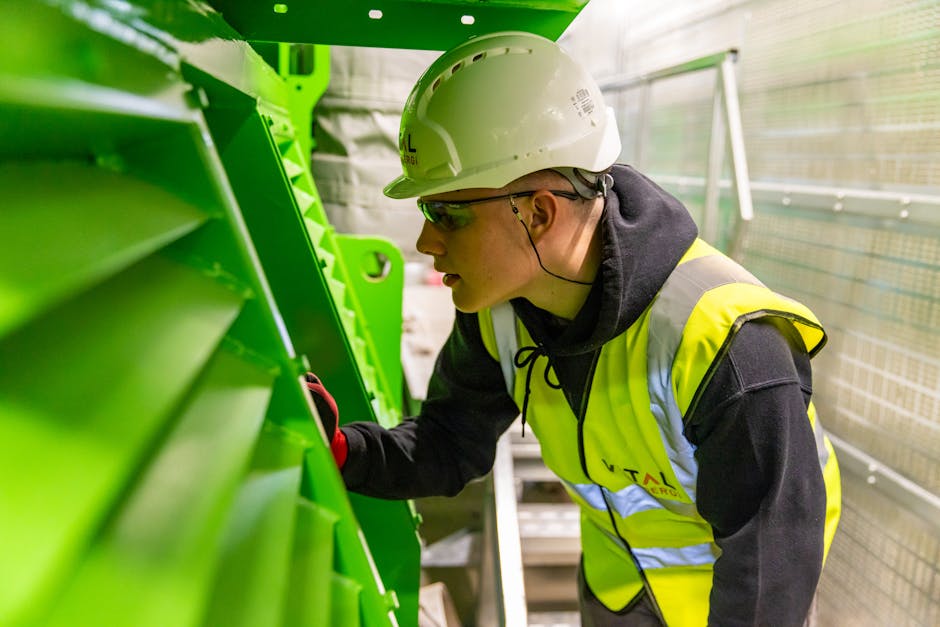
Modern China quality control techniques Pre-shipment inspections are the most common type, conducted when 80-100% of production is complete. Inspectors randomly sample finished products according to AQL (Acceptable Quality Level) standards. PSIs provide the final quality check before goods leave the factory.
Container Loading Supervision (CLS)
Advanced China quality control methods Container loading supervision ensures proper handling and documentation during shipment. Inspectors verify product quantities, packaging condition, and container suitability. CLS prevents damage during transit and ensures the correct products are loaded.
Why Quality Control Inspections Matter in 2026
| Inspection Type | When to Use | Cost Range | Defect Detection Rate |
|---|---|---|---|
| Pre-Production Inspection | Before mass production starts | $200-$300 | Prevents 85% of production issues |
| During Production Inspection | When 20-30% of production complete | $250-$350 | Catches 90% of defects early |
| Pre-Shipment Inspection | Before goods leave factory | $300-$500 | Final verification, 95% accuracy |
| Container Loading Inspection | During container stuffing | $150-$250 | Ensures correct quantity & packaging |
Strategic China quality control planning The global supply chain landscape has evolved significantly in recent years. E-commerce growth, increased consumer expectations, and stricter regulatory requirements have raised the stakes for product quality. In 2026, quality control inspections are more important than ever.
Rising Consumer Expectations
Proven China quality control practices Consumers in 2026 expect flawless products delivered quickly. Amazon’s strict performance metrics require sellers to maintain defect rates below 1%. Products with quality issues result in negative reviews, returns, and potential account suspension. Quality inspections help meet these demanding standards.
Essential China quality control steps Social media amplifies quality problems exponentially. A single defective product can generate viral negative publicity reaching millions of potential customers. Proactive quality control protects brand reputation in an era where consumer feedback spreads instantly.
Regulatory Compliance Requirements
Critical China quality control checkpoints Product safety regulations continue to tighten globally. The EU’s CE marking requirements, US CPSC standards, and China’s CCC certification demand rigorous quality verification. Inspections provide documentation proving compliance with these regulations.
Robust China quality control frameworks Non-compliance penalties have increased substantially. Product recalls cost an average of $8 million in direct expenses, not including brand damage and legal liability. Quality inspections serve as a first line of defense against regulatory violations.
Supply Chain Complexity
Systematic China quality control approaches Modern supply chains involve multiple suppliers, sub-suppliers, and logistics partners. This complexity creates more opportunities for quality issues to emerge. Comprehensive inspection programs provide visibility across the entire supply chain.
Thorough China quality control procedures The shift toward just-in-time inventory means less buffer for quality problems. Defective shipments disrupt production schedules and customer commitments. Regular inspections ensure consistent quality despite supply chain complexity.
How Much Do China Quality Control Inspections Cost?
Photo by Pexels Contributor via Pexels
Expert China quality control guidance Understanding inspection costs helps you budget appropriately and evaluate ROI. While costs vary based on product type, location, and scope, having baseline figures enables informed decision-making.
Standard Inspection Pricing
Quality-focused China quality control standards Most inspection companies charge per man-day, with rates ranging from $200 to $500 per day. A man-day typically covers 8 hours of inspection work. Simple consumer products might require one man-day, while complex items may need two to three days.
Data-driven China quality control insights SGS, one of the largest inspection companies, charges approximately $300-$400 per man-day in China. QIMA offers competitive rates starting around $250-$350 per day. Smaller local inspection firms may charge $200-$300 per day but might lack international accreditation.
Factors Affecting Inspection Costs
Results-oriented China quality control solutions Product complexity significantly impacts inspection duration and cost. Electronics with multiple functions require more testing than simple textile products. Products with strict dimensional tolerances need precise measurements, increasing inspection time.
Factory location affects travel costs and logistics. Inspections in coastal manufacturing hubs like Shenzhen, Guangzhou, or Shanghai typically cost less than remote inland locations. Some companies add travel surcharges for distant factories.
Additional Cost Considerations
Laboratory testing represents an additional cost beyond visual inspection. Chemical testing, safety testing, and performance testing can range from $100 to $2,000 per test depending on complexity. Budget for testing when regulatory compliance is required.
Rush inspections typically incur 20-50% surcharges. Planning ahead and scheduling inspections in advance avoids these premium fees. Most inspection companies require 3-5 business days notice for standard scheduling.
When to Schedule Quality Inspections
Timing is critical for effective quality control. Inspections scheduled at the wrong time may not accurately represent final product quality or may miss opportunities to correct issues.
Optimal Timing for Pre-Shipment Inspections
The ideal time for pre-shipment inspections is when 80-100% of production is complete and at least 80% of products are packed. This timing ensures inspectors see the actual products that will ship, not prototypes or early production samples.
Scheduling inspections too early creates problems. If only 50% of production is complete, the remaining 50% might have different quality. Early inspections also give factories time to swap products or make superficial fixes that don’t address root causes.
Production Milestone Inspections
For large orders or critical products, schedule inspections at multiple production milestones. A pre-production inspection verifies materials and setup. A during-production inspection catches systematic issues early. A final inspection confirms overall quality.
This multi-stage approach costs more but provides comprehensive quality assurance. For orders exceeding $50,000 or products with complex specifications, the additional inspection cost is justified by risk reduction.
Seasonal Considerations
Chinese New Year (January/February) creates scheduling challenges. Many factories rush production before the holiday, potentially compromising quality. Schedule inspections before pre-holiday shipments and allow extra time for post-holiday production ramp-up.
Peak shipping seasons (August-October for holiday merchandise) also strain inspection capacity. Book inspections 2-3 weeks in advance during these periods. Inspection companies often reach full capacity during peak seasons.
Choosing a Quality Inspection Company
Photo by Pexels Contributor via Pexels
| Product Category | Basic Inspection | Comprehensive Inspection | Lab Testing (Additional) |
|---|---|---|---|
| Electronics | $280-$400 | $450-$650 | $200-$800 |
| Textiles & Apparel | $200-$300 | $350-$500 | $150-$400 |
| Home & Garden | $220-$350 | $380-$550 | $100-$500 |
| Toys & Games | $250-$380 | $400-$600 | $300-$1,200 |
Selecting the right inspection partner significantly impacts inspection quality and value. Consider accreditation, experience, reporting quality, and pricing when evaluating options.
Major International Inspection Companies
SGS is the world’s largest inspection company with extensive coverage across China. Their reports are widely accepted by retailers and financial institutions. SGS charges premium rates but offers consistent quality and strong brand recognition.
QIMA has grown rapidly by combining competitive pricing with digital-first reporting. Their online platform provides real-time inspection scheduling and report access. QIMA is particularly popular with e-commerce sellers and mid-sized importers.
Intertek offers comprehensive testing, inspection, and certification services. Their global network and technical expertise make them suitable for regulated products requiring compliance verification. Intertek’s reports carry significant weight with major retailers.
Digital Inspection Platforms
Inspectorio represents the new generation of AI-powered inspection platforms. Their technology analyzes inspection data to identify patterns and predict quality issues. In 2026-2026, Inspectorio reduced inspection costs by 30-40% for many clients while improving defect detection.
These platforms integrate with supplier management systems, providing dashboards and analytics. Real-time data sharing enables faster decision-making and trend analysis across multiple suppliers and product categories.
Evaluating Inspection Companies
Request sample reports before committing to an inspection company. Evaluate report clarity, photo quality, and detail level. Good reports include specific defect descriptions, measurements, and clear pass/fail determinations.
Verify inspector qualifications and training. Experienced inspectors understand product-specific requirements and common defect patterns. Ask about inspector retention rates—high turnover indicates potential quality inconsistencies.
Check references from similar businesses. An inspection company experienced with your product category will provide more valuable insights. Generic inspection skills don’t always translate to specialized product knowledge.
The Inspection Process: Step by Step
Understanding the inspection process helps you prepare effectively and maximize value. Here’s what happens during a typical pre-shipment inspection.
Step 1: Booking and Scheduling
Submit an inspection request with product specifications, factory address, and preferred dates. Provide detailed product requirements including dimensions, materials, colors, and functionality tests. Clear specifications ensure inspectors know what to check.
Confirm the inspection date with the factory. Ensure they understand the inspector will need access to finished products, packing areas, and relevant documentation. Factory cooperation is essential for effective inspections.
Step 2: Random Sampling
Inspectors select samples randomly according to AQL standards. For most consumer products, General Inspection Level II applies, with sample sizes determined by lot size. A 5,000-unit order typically requires inspecting 200 samples.
Random sampling ensures the inspection represents overall production quality. Inspectors should select samples from different production batches, packing locations, and time periods. Avoid letting factory staff pre-select samples.
Step 3: Visual and Functional Testing
Inspectors examine each sample for visual defects including cosmetic issues, workmanship problems, and packaging quality. They verify dimensions, weights, and other measurable specifications. Functional tests confirm products work as intended.
Document all findings with photographs and detailed notes. Categorize defects as critical, major, or minor based on severity and impact. Critical defects (safety issues) result in automatic rejection regardless of quantity found.
Step 4: Report Generation
Inspectors compile findings into a detailed report within 24-48 hours. Reports include an executive summary, detailed findings, photographs, and pass/fail determination. Review reports carefully and discuss any questions with the inspection company.
Use report findings to make shipment decisions. For failed inspections, work with suppliers to address issues before shipment. Consider re-inspection after corrections to verify problems are resolved.
Common Quality Issues and How to Prevent Them
Understanding common quality problems helps you focus inspections on high-risk areas. Different product categories have distinct failure modes requiring specific attention.
Electronics Quality Issues
Electronics face unique quality challenges including functionality failures, safety hazards, and compliance issues. Common problems include incorrect voltage ratings, poor soldering, substandard components, and inadequate insulation.
Prevent electronics issues by requiring component verification during pre-production inspection. Test all functions, not just primary features. Verify safety certifications and request component datasheets from suppliers.
Textile and Apparel Defects
Textile products frequently have stitching defects, fabric flaws, color variations, and sizing inconsistencies. These issues often result from poor quality control at subcontracted facilities or rushed production schedules.
Address textile quality by inspecting fabric before cutting, checking in-line production quality, and conducting thorough final inspections. Provide detailed measurement specifications with tolerance ranges for each size.
Hard Goods and Furniture Problems
Hard goods including furniture, home decor, and hardware often have dimensional issues, finish defects, and assembly problems. Weight and material substitutions are common cost-cutting measures that affect quality.
Specify exact materials and dimensions in purchase orders. Include reference samples with acceptable finish quality. Test assembly processes and hardware functionality during inspections.
Packaging and Labeling Errors
Packaging defects include incorrect labeling, damaged packaging, and insufficient protection. Labeling errors can cause customs delays, regulatory violations, and customer confusion. These issues are easily preventable with proper inspection.
Include packaging and labeling in inspection checklists. Verify barcode scannability, label accuracy, and packaging durability. Test packaging by simulating shipping conditions when possible.
Building an Effective Quality Control Strategy
Ad-hoc inspections provide limited protection. A comprehensive quality control strategy delivers consistent results and continuous improvement over time.
Develop Detailed Product Specifications
Quality starts with clear specifications. Document all product requirements including dimensions, materials, colors, tolerances, and performance criteria. Include photos, diagrams, and reference samples where helpful.
Share specifications with suppliers before production begins. Get written confirmation that they understand and can meet requirements. Clear specifications prevent misunderstandings that lead to quality disputes.
Implement Supplier Scorecards
Track supplier performance over time using scorecards. Record inspection results, defect rates, on-time delivery, and responsiveness. Use this data to identify top performers and suppliers requiring additional oversight.
Share scorecard results with suppliers. Recognize excellent performance and address issues constructively. Data-driven feedback motivates improvement and strengthens supplier relationships.
Establish Clear Acceptance Criteria
Define acceptable quality levels (AQL) for different defect categories. Critical defects (safety issues) should have zero tolerance. Major defects (functionality problems) might allow 1-2.5% AQL. Minor defects (cosmetic issues) could allow 2.5-4% AQL.
Document acceptance criteria in purchase orders and quality agreements. Ensure suppliers understand these standards before production. Clear criteria eliminate subjective judgments during inspections.
Create a Continuous Improvement Process
Use inspection data to identify recurring issues and root causes. Work with suppliers to implement corrective actions. Track whether corrections are effective over subsequent inspections.
Regular quality reviews with suppliers build partnerships focused on improvement. Share market feedback, customer complaints, and quality trends. Suppliers who understand your quality priorities are more likely to deliver consistent results.
Ready to Ensure Product Quality?
Partner with Top China Sourcing for professional quality control inspections that protect your business and customers.
Get Your Free Quote Today
FAQ: China Quality Control Inspections
How long does a quality inspection take in China?
A typical pre-shipment inspection takes one to three man-days depending on order size and product complexity. Simple products in small quantities might require only one day. Complex electronics or large orders may need two to three days for thorough inspection.
What is AQL in quality inspections?
AQL stands for Acceptable Quality Level, a statistical sampling standard defining maximum acceptable defect rates. Common AQL levels are 0% for critical defects, 2.5% for major defects, and 4% for minor defects. These standards determine sample sizes and pass/fail criteria.
Can I trust factory self-inspections?
Factory self-inspections lack the objectivity of third-party inspections. Factories have inherent conflicts of interest and may overlook defects or apply looser standards. Independent third-party inspections provide unbiased verification and documentation.
What happens if my inspection fails?
Failed inspections require corrective action before shipment. Work with the supplier to understand defect causes and implement fixes. Request photographic evidence of corrections. Consider re-inspection to verify issues are resolved before releasing shipment.
Ready to Ensure Product Quality?
Partner with Top China Sourcing for professional quality control inspections that protect your business and customers.
Ready to Get Started?
Partner with topchinasourcing for expert quality control and inspection services. Contact us today for a free consultation.