Introduction to China Sourcing in 2026

China remains the world’s manufacturing powerhouse in 2026, with the country accounting for approximately 28% of global manufacturing output. When considering China sourcing, For businesses looking to source products, understanding the evolving landscape of Chinese manufacturing is essential for maintaining competitive advantage and ensuring product quality. The sourcing ecosystem has transformed significantly over the past few years, with increased emphasis on sustainability, digital transformation, and supply chain resilience.
Key Takeaways
- Average sourcing savings: 30-50% vs domestic manufacturing
- Typical MOQ range: 100-1,000 units for most products
- Production lead time: 15-45 days depending on complexity
- Payment terms: 30% deposit, 70% before shipping
- Quality inspection cost: $200-400 per man-day
The COVID-19 pandemic and subsequent global disruptions have fundamentally changed how companies approach China sourcing. Businesses now prioritize supplier diversification, quality assurance protocols, and risk mitigation strategies more than ever before. Smart sourcing professionals recognize that success requires a comprehensive understanding of manufacturing capabilities, logistics networks, and regulatory compliance requirements across different Chinese provinces and industrial zones.
This complete guide will walk you through the essential best practices for China sourcing in 2026, covering everything from supplier selection and quality control to logistics optimization and emerging trends. Whether you’re an Amazon FBA seller, a retail buyer, or an established brand looking to optimize your supply chain, these strategies will help you navigate the complexities of international sourcing while maximizing value and minimizing risks.
Finding and Vetting Reliable Suppliers
Platform Selection and Research Strategies
Alibaba continues to dominate the B2B sourcing landscape in 2026, hosting over 10 million active suppliers across virtually every product category. When it comes to China sourcing, when considering sourcing from China, However, successful sourcing professionals don’t rely solely on a single platform. Cross-referencing suppliers across multiple platforms such as Global Sources, Made-in-China, and industry-specific directories provides a more comprehensive view of available options and helps identify the most reliable partners for your specific needs.
When researching potential suppliers, look beyond surface-level metrics. When it comes to China sourcing, when considering Chinese suppliers, A supplier with 5 years of experience and 50 employees might offer more personalized service and flexibility than a massive factory with thousands of workers. Consider factors such as production capacity alignment with your order volumes, communication responsiveness, and willingness to provide detailed product samples and facility documentation before committing to larger orders.
Factory Verification and Due Diligence
Never skip factory verification, regardless of how established a supplier appears online. When considering China sourcing, Third-party verification services from companies like SGS, Intertek, and QIMA provide comprehensive factory audits that verify business licenses, production capabilities, quality management systems, and social compliance standards. These audits typically cost between $300-800 per facility but can save thousands in potential losses from fraudulent or incapable suppliers.
Request copies of relevant certifications including ISO 9001 for quality management, ISO 14001 for environmental management, and product-specific certifications such as CE, FCC, or FDA registrations. When it comes to China sourcing, when considering sourcing from China, Verify these certifications directly with issuing bodies, as counterfeit documentation remains a persistent issue in international sourcing. A legitimate supplier will gladly provide verification support and understand the importance of compliance documentation.
Communication and Relationship Building
Effective communication forms the foundation of successful China sourcing partnerships. Invest time in building relationships with key contacts at your supplier’s organization, including sales representatives, production managers, and quality control personnel. Schedule regular video calls rather than relying solely on email or messaging platforms, as face-to-face interaction builds trust and helps prevent misunderstandings that can lead to production errors.
Consider working with a professional China sourcing agent who can bridge cultural and linguistic gaps while providing local market expertise. A good sourcing agent will have established relationships with reliable manufacturers, understand regional manufacturing specialties, and can conduct on-site quality inspections on your behalf. This investment typically costs 3-7% of order value but often pays for itself through improved quality and reduced sourcing risks.
Quality Control and Product Standards
Pre-Production Quality Planning
Quality control begins long before production starts. When it comes to China sourcing, when considering Chinese suppliers, Develop detailed product specifications including materials, dimensions, tolerances, color standards, and performance requirements. Create comprehensive tech packs with technical drawings, material samples, and reference photos that leave no room for interpretation. Ambiguous specifications are the leading cause of production defects and disputes between buyers and suppliers.
Establish clear acceptance criteria and defect classifications before production begins. When considering China sourcing, Define what constitutes critical, major, and minor defects, along with acceptable quality limits (AQL) for each category. Industry standard AQL levels typically range from 2.5 for major defects to 4.0 for minor defects, but your specific requirements may vary based on product type and target market expectations.
In-Process and Pre-Shipment Inspections
Implementing quality inspections at multiple production stages significantly reduces defect rates and prevents costly rework. When it comes to China sourcing, when considering sourcing from China, During production inspections (DUPRO) identify issues early when corrections are still feasible, while pre-shipment inspections (PSI) verify final product quality before goods leave the factory. Professional inspection services from companies like QIMA typically cost $200-400 per inspection and provide detailed reports with photographic evidence.
For high-value orders or complex products, consider stationing a quality control representative at the factory during critical production phases. When it comes to China sourcing, when considering Chinese suppliers, This on-site presence ensures real-time problem resolution and demonstrates your commitment to quality standards. Many quality control services providers offer resident inspector programs for ongoing production relationships.
Testing and Certification Requirements
Product testing requirements vary significantly based on product category and target markets. When considering China sourcing, Electrical products require safety certifications such as UL, CE, or CCC, while children’s products must comply with CPSIA regulations in the United States and EN71 standards in Europe. Budget $500-3,000 for initial product testing, with ongoing testing costs of $200-800 per SKU for annual compliance maintenance.
Work with accredited testing laboratories such as SGS, Intertek, or Bureau Veritas to ensure test results are accepted by regulatory authorities and retail partners. When it comes to China sourcing, maintain detailed testing documentation including test reports, certificates of conformity, and technical files. These documents are essential for customs clearance, retail compliance audits, and responding to any safety incidents or product liability claims.
Negotiating Prices and Payment Terms
Understanding Pricing Components
Factory prices typically include raw materials, labor, overhead, and profit margins, but understanding the breakdown helps identify negotiation opportunities. When it comes to China sourcing, raw material costs often represent 40-60% of product cost, while labor accounts for 15-25% depending on product complexity and automation levels. Request detailed cost breakdowns from suppliers to understand where your money goes and identify potential cost reduction opportunities.
Volume discounts remain one of the most effective ways to reduce per-unit costs. When it comes to China sourcing, suppliers typically offer 5-15% discounts for doubling order quantities, with additional savings at higher volume thresholds. However, avoid over-ordering simply to achieve lower prices, as inventory carrying costs and obsolescence risks can quickly erode any savings. Calculate your true landed cost including shipping, duties, and storage before committing to larger orders.
Payment Terms and Risk Management
Negotiate payment terms that balance supplier cash flow needs with your risk exposure. When it comes to China sourcing, standard terms typically require 30% deposit upon order confirmation with 70% balance before shipment, but established relationships may warrant more favorable terms such as 30% deposit with balance against documents or even net 30-60 day terms for trusted partners. Never pay 100% upfront unless you have an established, verified relationship with the supplier.
Use secure payment methods that offer buyer protection, including letters of credit for large orders, escrow services through platforms like Alibaba Trade Assurance, or payment terms that withhold final payment until quality inspection approval. When it comes to China sourcing, wire transfers offer limited recourse if problems arise, so reserve them for trusted, long-term supplier relationships. Budget 2-3% of transaction value for payment processing and protection services.
Total Landed Cost Analysis
Focusing solely on unit price without considering total landed cost leads to poor sourcing decisions. When it comes to China sourcing, factor in international shipping costs ($2,000-8,000 per container depending on route and season), customs duties (typically 0-25% depending on product classification), inland transportation, warehousing, and quality control expenses. A product that costs $5.00 FOB might have a true landed cost of $7.50-9.00 once all expenses are included.
Optimize your shipping strategy based on order urgency and cost considerations. When it comes to China sourcing, air freight costs $4-8 per kilogram but delivers in 5-10 days, while sea freight costs $0.50-1.50 per kilogram with transit times of 25-45 days. For time-sensitive products or initial test orders, air freight makes sense, but regular replenishment orders should utilize sea freight for cost efficiency.
Logistics and Supply Chain Management
Shipping Options and Optimization
Sea freight remains the most cost-effective option for large shipments, with 20-foot containers (FCL) costing $2,000-5,000 from major Chinese ports to US destinations in 2026. When it comes to China sourcing, less-than-container-load (LCL) shipments work for smaller volumes but incur higher per-unit costs and longer transit times due to consolidation requirements. Plan shipments 45-90 days in advance to secure optimal rates and vessel space, particularly during peak seasons.
Air freight and express courier services serve different needs in your logistics strategy. When it comes to China sourcing, express services like DHL, FedEx, and UPS deliver in 3-7 days but at premium pricing of $6-12 per kilogram. Air cargo offers a middle ground with 7-14 day transit times at $4-8 per kilogram. Reserve air freight for urgent replenishment, high-value products with low weight, or initial sample orders rather than routine shipments.
Customs Compliance and Documentation
Proper customs documentation prevents costly delays and compliance issues. When it comes to China sourcing, ensure commercial invoices include accurate product descriptions, HS codes, declared values, and country of origin information. Packing lists must detail carton contents, weights, and dimensions. Missing or inaccurate documentation can result in customs holds, penalties of 10-30% of declared value, and shipment delays of days or weeks.
Consider working with a licensed customs broker who can navigate complex tariff classifications, free trade agreement benefits, and regulatory requirements. When it comes to China sourcing, broker fees typically range from $150-400 per shipment but provide peace of mind and often identify duty savings opportunities through proper classification. For ongoing imports, establish a relationship with a broker who understands your product categories and compliance requirements.
Inventory Planning and Demand Forecasting
Effective inventory planning requires understanding your complete supply chain timeline. When it comes to China sourcing, factor in 15-30 days for production, 25-45 days for sea freight, 5-10 days for customs clearance, and additional time for quality inspections and domestic distribution. Total lead times of 60-90 days are common for sea freight shipments, requiring accurate demand forecasting to prevent stockouts or excess inventory.
Implement inventory management systems that track stock levels, sales velocity, and reorder points automatically. When it comes to China sourcing, for Amazon FBA sellers, maintaining 4-8 weeks of inventory at Amazon fulfillment centers provides buffer against supply chain disruptions while avoiding long-term storage fees. Review our comprehensive Amazon FBA sourcing guide for detailed strategies on inventory optimization specific to marketplace sellers.
Emerging Trends in China Sourcing 2026
Sustainability and Environmental Compliance
Environmental sustainability has moved from a nice-to-have to a business imperative in 2026. When it comes to China sourcing, major retailers and marketplaces now require sustainability certifications and carbon footprint documentation from suppliers. Look for manufacturers with ISO 14001 environmental management certification, REACH compliance for chemical safety, and sustainability initiatives such as renewable energy usage and waste reduction programs.
Consumer demand for sustainable products continues to grow, with 65% of consumers willing to pay premium prices for environmentally responsible products. When it comes to China sourcing, work with suppliers who can provide recycled materials, sustainable packaging options, and transparent supply chain documentation. These investments differentiate your brand and meet evolving regulatory requirements in markets like the European Union with stringent sustainability mandates.
Digital Transformation and Smart Manufacturing
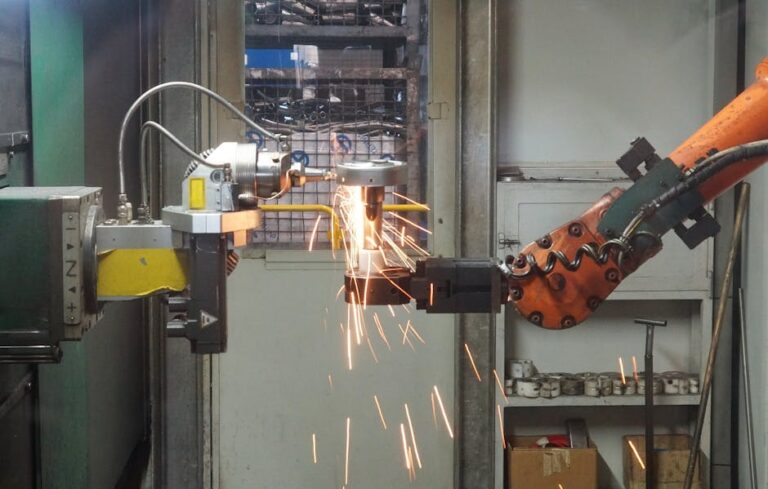
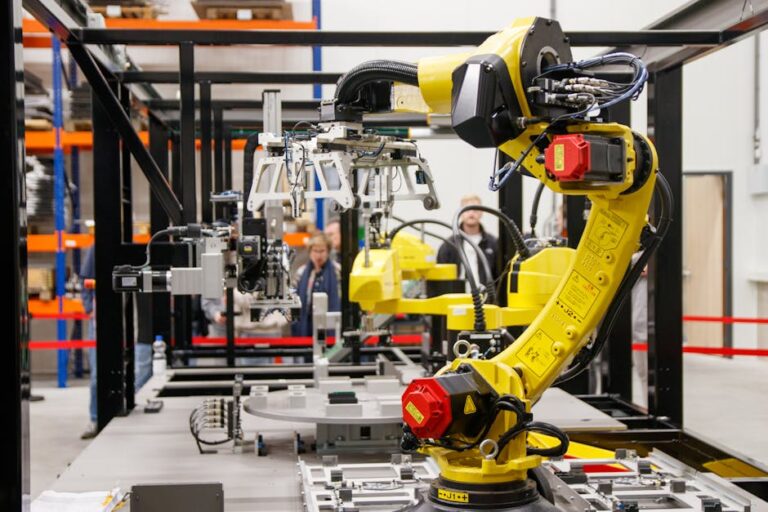
Chinese manufacturers are rapidly adopting Industry 4.0 technologies including IoT sensors, automated production lines, and digital quality management systems. When it comes to China sourcing, these investments improve consistency, reduce defect rates by 30-50%, and enable real-time production monitoring. When evaluating suppliers, inquire about their digital capabilities and willingness to provide production data access for transparency.
Companies like Tesla have demonstrated the potential of advanced manufacturing in China, with their Shanghai Gigafactory achieving production efficiencies that exceed global benchmarks. When it comes to China sourcing, while not every supplier operates at this level, the trend toward automation and digitalization means sourcing professionals should prioritize suppliers investing in modern production technologies for long-term partnership potential.
Supply Chain Diversification Strategies
The lessons of recent global disruptions have prompted most businesses to pursue supply chain diversification strategies. When it comes to China sourcing, while China remains the primary sourcing destination for most product categories, consider developing secondary suppliers in countries like Vietnam, India, or Mexico for risk mitigation. This “China Plus One” strategy adds complexity but provides crucial backup options during disruptions.
Within China, consider diversifying across multiple manufacturing regions to mitigate regional risks. When it comes to China sourcing, guangdong province remains the manufacturing heartland, but provinces like Zhejiang, Jiangsu, and Shandong offer strong capabilities in specific product categories. Understanding regional specialties helps identify the best suppliers for your specific products while spreading geographic risk.
Legal Protection and Intellectual Property
Protecting Your Designs and Brands
Intellectual property protection requires proactive measures before sharing designs with potential suppliers. When it comes to China sourcing, register trademarks in China through the CNIPA (China National Intellectual Property Administration) before entering the market, as China operates on a first-to-file system. Trademark registration costs approximately $500-1,000 per class and provides essential legal protection against counterfeiters and unauthorized use.
For unique product designs, consider design patent registration in China, which provides 10 years of protection. When it comes to China sourcing, work with qualified intellectual property attorneys who understand Chinese IP law and can conduct freedom-to-operate searches to ensure your products don’t infringe existing patents. These legal investments of $2,000-5,000 upfront can prevent costly litigation and market exclusion later.
Contractual Protections and Agreements
Develop comprehensive manufacturing agreements that address quality standards, delivery schedules, payment terms, and dispute resolution mechanisms. When it comes to China sourcing, include specific provisions for intellectual property protection, confidentiality obligations, and penalties for contract violations. While enforcing contracts in China presents challenges, well-drafted agreements demonstrate seriousness and provide legal recourse if significant disputes arise.
Consider requiring suppliers to sign non-disclosure agreements (NDAs) before sharing detailed product specifications or proprietary designs. While NDAs have limitations under Chinese law, they establish clear expectations and provide evidence of confidential relationship if disputes arise. For highly sensitive products, limit information sharing to what’s necessary for production and consider modular production approaches that prevent any single supplier from seeing complete product designs.
China Sourcing Options Comparison (2026)
| Factor | Direct Factory | Trading Company | Sourcing Agent |
|---|---|---|---|
| MOQ | High (500-1000) | Medium (100-500) | Low (50-100) |
| Price | Lowest | +10-15% | +5-10% |
| Quality Control | Your responsibility | Basic checks | Full QC included |
| Communication | Direct (language barrier) | English support | Dedicated manager |
| Risk Level | High | Medium | Low |
Source: Industry analysis 2026
Conclusion and Next Steps
Successful China sourcing in 2026 requires a strategic approach that balances cost optimization with quality assurance, risk management, and compliance requirements. By implementing the best practices outlined in this guide, you can build resilient supply chains that deliver consistent product quality while maintaining competitive advantages in your market.
Remember that sourcing success depends on continuous learning and adaptation. Stay informed about regulatory changes, market trends, and emerging technologies that impact your supply chain. Invest in building strong supplier relationships based on mutual benefit, clear communication, and shared commitment to quality and compliance standards.
Partner with topchinasourcing.com – contact us at https://topchinasourcing.com/contact/ to access expert sourcing support, quality control services, and logistics solutions that streamline your China sourcing operations and help you achieve your business objectives.
5 Common Myths About China Sourcing Best Practices 2026 (Debunked)
Myth #1: Alibaba is the only option
Reality: Platforms like Global Sources, Made-in-China, and 1688 often have better prices and more direct factory access than Alibaba.
Myth #2: Lower price means better margins
Reality: A 10% cheaper supplier with 15% defect rate costs more than a higher-priced supplier with 3% defects after factoring in returns and replacements.
Myth #3: Trading companies are bad
Reality: Trading companies can offer lower MOQs and handle logistics. For small orders under $5,000, they often provide better total value.
Myth #4: You can skip quality control for small orders
Reality: Even small orders can have 5-15% defect rates. A single bad review can cost you $500+ in lost sales.
Myth #5: All Chinese suppliers are the same
Reality: Supplier quality varies dramatically. Top-tier suppliers like Foxconn achieve 99.9% quality while others struggle with 85% defect rates.
5 Common Myths About China Sourcing Best Practices 2026 (Debunked)
Myth #1: Alibaba is the only option
Reality: Platforms like Global Sources, Made-in-China, and 1688 often have better prices and more direct factory access than Alibaba.
Myth #2: Lower price means better margins
Reality: A 10% cheaper supplier with 15% defect rate costs more than a higher-priced supplier with 3% defects after factoring in returns and replacements.
Myth #3: Trading companies are bad
Reality: Trading companies can offer lower MOQs and handle logistics. For small orders under $5,000, they often provide better total value.
Myth #4: You can skip quality control for small orders
Reality: Even small orders can have 5-15% defect rates. A single bad review can cost you $500+ in lost sales.
Myth #5: All Chinese suppliers are the same
Reality: Supplier quality varies dramatically. Top-tier suppliers like Foxconn achieve 99.9% quality while others struggle with 85% defect rates.