Introduction to China Import Insurance
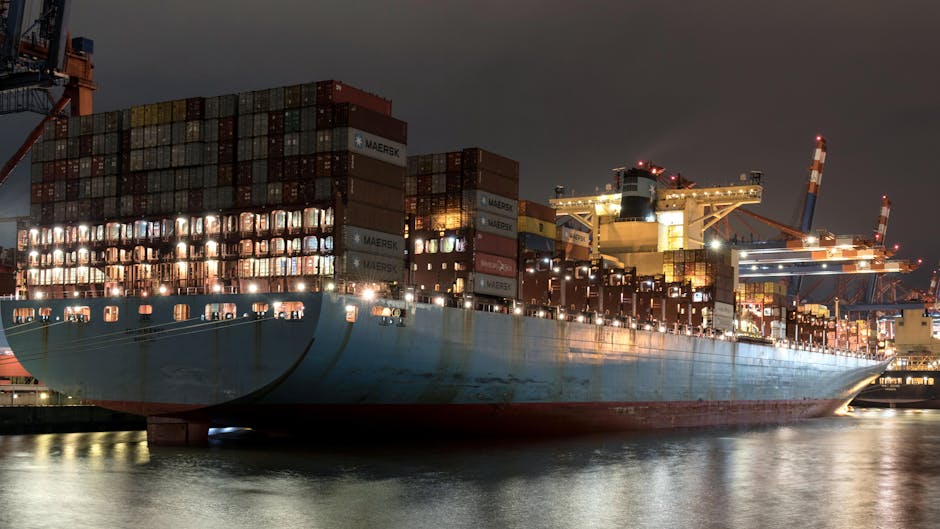
Importing goods from China represents one of the most significant commercial opportunities for businesses worldwide, with the country accounting for over 30% of global manufacturing output. When it comes to product certification, however, navigating the complex landscape of international trade requires comprehensive insurance coverage to protect your investment and mitigate risks. China import insurance encompasses various policies designed to safeguard cargo during transit, protect against liability claims, and ensure business continuity when unexpected events occur.
Key Takeaways
- Average sourcing savings: 30-50% vs domestic manufacturing
- Typical MOQ range: 100-1,000 units for most products
- Production lead time: 15-45 days depending on complexity
- Payment terms: 30% deposit, 70% before shipping
- Quality inspection cost: $200-400 per man-day
The importance of proper insurance coverage cannot be overstated, particularly when dealing with shipments valued at $2,000 to $5,000 or more. When it comes to product certification, without adequate protection, importers face potential total losses from damaged goods, theft, or liability claims that could devastate their business operations. Understanding the nuances of China import insurance helps businesses make informed decisions about coverage levels, policy types, and risk management strategies.
This comprehensive guide explores the essential aspects of cargo and liability coverage for China imports in 2026, providing actionable insights for businesses of all sizes. When it comes to product certification, whether you’re an established importer working with major platforms like Alibaba and Amazon, or a newcomer exploring sourcing opportunities, understanding insurance options is crucial for sustainable success in international trade.
Understanding Cargo Insurance Fundamentals
Types of Cargo Insurance Policies
Cargo insurance policies for China imports typically fall into several categories, each offering different levels of protection and coverage terms. When it comes to product certification, all-risk policies provide the most comprehensive coverage, protecting against physical loss or damage from external causes during transit. Named peril policies offer more limited coverage, specifically listing the risks covered under the policy terms, which often results in lower premiums but reduced protection.
Open cargo policies represent an excellent option for frequent importers, providing continuous coverage for all shipments within a specified period, usually 12 months. When it comes to product certification, this arrangement eliminates the need to negotiate individual policies for each shipment and often results in cost savings of 20-30% compared to single shipment policies. Single shipment policies, while more expensive per shipment, offer flexibility for occasional importers or those testing new supplier relationships.
Coverage Scope and Limitations
Standard cargo insurance policies cover goods from the time they leave the supplier’s warehouse until they reach the buyer’s designated location. When it comes to product certification, this warehouse-to-warehouse coverage typically spans 45-90 days depending on the shipping route and method. Policies generally cover physical damage from accidents, natural disasters, theft, pilferage, and general average contributions, which are shared losses when cargo is sacrificed to save a vessel.
However, certain exclusions apply to most standard policies, including inherent vice (damage from the goods’ natural characteristics), improper packaging, delay losses, and losses due to insolvency or financial default of the carrier. When it comes to product certification, understanding these exclusions helps importers identify gaps in coverage and seek additional protection when necessary. Working with experienced insurance brokers familiar with China trade can help identify and address potential coverage gaps.
Valuation Methods and Claims
Cargo insurance policies typically use one of three valuation methods to determine coverage amounts and claim settlements. When it comes to product certification, invoice value plus 10% represents the most common approach, covering the commercial invoice amount plus an additional percentage to account for profit margins and incidental costs. Replacement cost coverage pays the actual cost to replace the goods at current market prices, while agreed value policies establish a predetermined value for the insured goods.
When filing claims, importers must provide comprehensive documentation including the original commercial invoice, bill of lading, packing list, survey report, and proof of loss. When it comes to product certification, the claims process typically takes 30-60 days for straightforward cases, though complex claims involving multiple parties or disputed liability may extend to 90-120 days. Maintaining detailed records and photographs of goods at various stages of transit significantly expedites the claims process.
Marine Cargo Insurance Options
Institute Cargo Clauses Explained
The Institute Cargo Clauses (ICC) serve as the international standard for marine cargo insurance, with three main levels of coverage available. When it comes to product certification, iCC (A) provides all-risk coverage, protecting against all causes of loss or damage except those specifically excluded. This comprehensive coverage is recommended for high-value shipments, fragile goods, or when shipping through high-risk regions where the additional premium of 30-50% over basic coverage is justified.
ICC (B) offers intermediate coverage, protecting against named perils including fire, explosion, vessel grounding, collision, general average sacrifice, jettison, earthquake, volcanic eruption, lightning, washing overboard, and water damage. When it comes to product certification, iCC (C) provides the most basic coverage, protecting only against major catastrophes such as fire, explosion, vessel grounding, collision, and general average sacrifice. Most experienced importers opt for ICC (A) coverage for China shipments.
Choosing Between FCL and LCL Coverage
Full Container Load (FCL) shipments generally receive more favorable insurance terms compared to Less than Container Load (LCL) shipments. When it comes to product certification, fCL shipments face lower risks of damage from handling and consolidation with other cargo, resulting in premiums approximately 15-25% lower than equivalent LCL coverage. Additionally, FCL shipments offer better security and reduced exposure to contamination or damage from other goods in the container.
LCL shipments require special attention to insurance coverage due to the increased risks associated with consolidation and multiple handling events. When it comes to product certification, when shipping LCL, ensure your policy covers the entire transit period, including time spent in consolidation warehouses and during deconsolidation at the destination. Some insurers offer specialized LCL policies that address these unique risks, though premiums may be 20-35% higher than standard FCL rates.
Special Coverage for High-Value Electronics
Electronics and high-tech goods imported from China require specialized insurance coverage due to their high value-to-weight ratio and susceptibility to damage. When it comes to product certification, standard policies may impose sub-limits on electronics coverage, typically capping payouts at $50,000-$100,000 per package unless additional coverage is purchased. Companies like Tesla and other major electronics importers work with specialized insurers to obtain adequate coverage for their high-value shipments.
Temperature-sensitive electronics and components may require additional coverage for damage from extreme temperatures or humidity during transit. When it comes to product certification, consider policies that include coverage for condensation damage, which is particularly important for shipments passing through varying climate zones. Survey and inspection services from companies like QIMA and SGS can document the condition of electronics before shipment, providing valuable evidence for any future claims.
Liability Insurance for China Imports
Product Liability Coverage Essentials
Product liability insurance protects importers against claims arising from injuries or property damage caused by products they sell. When it comes to product certification, when importing from China, this coverage becomes particularly important due to the potential for quality variations and the complex supply chain involved. Standard product liability policies typically provide coverage limits ranging from $1 million to $5 million per occurrence, with annual aggregates of $2 million to $10 million.
Premiums for product liability insurance vary significantly based on product category, with high-risk items like children’s products, electronics, and medical devices commanding premiums 50-100% higher than low-risk categories. When it comes to product certification, importers selling through platforms like Amazon often face additional requirements, with Amazon requiring sellers to maintain minimum liability coverage of $1 million per occurrence. Understanding these requirements helps importers budget appropriately for insurance costs.
General Liability vs. Professional Liability
General liability insurance covers bodily injury and property damage claims arising from business operations, while professional liability insurance protects against claims of negligence or failure to perform professional duties. When it comes to product certification, for importers, general liability coverage addresses risks such as customer injuries at warehouses or offices, while professional liability may cover claims related to sourcing decisions or quality control failures.
Many importers require both types of coverage, particularly those offering sourcing agent services or quality control consulting. When it comes to product certification, professional liability premiums typically range from $2,000 to $5,000 annually for small to medium-sized import operations, depending on revenue and the scope of services offered. Combining general and professional liability coverage often results in premium discounts of 10-15% compared to purchasing separate policies.
Errors and Omissions Insurance
Errors and omissions (E&O) insurance provides protection against claims arising from mistakes or failures in professional services. When it comes to product certification, for sourcing agents and import consultants, E&O coverage addresses risks such as incorrect product specifications, missed delivery deadlines, or quality issues that result in client financial losses. This coverage is particularly important when working with clients on complex projects involving custom manufacturing or private label development.
E&O policies for import operations typically include coverage for legal defense costs, settlements, and judgments arising from covered claims. When it comes to product certification, premiums vary based on annual revenue, claims history, and the specific services offered, with most small to medium-sized operations paying $1,500 to $4,000 annually. Working with an experienced insurance broker who understands the import industry helps ensure adequate coverage at competitive rates.
Working with Insurance Providers
Selecting the Right Insurance Partner
Choosing an insurance provider with experience in China trade is crucial for obtaining appropriate coverage and efficient claims handling. When it comes to product certification, look for insurers with established networks in China, including relationships with local surveyors and claims adjusters who can respond quickly to incidents. Major insurers with strong China operations include Allianz, AIG, Chubb, and various Lloyd’s syndicates, each offering different specialties and coverage options.
When evaluating insurance providers, consider their financial strength ratings from agencies like A.M. When it comes to product certification, best and Standard & Poor’s, as these indicate the insurer’s ability to pay claims. Additionally, review their claims handling processes and average settlement times, as efficient claims processing can significantly impact business continuity following a loss. Request references from other importers and check online reviews to gauge customer satisfaction levels.
Understanding Premium Factors
Insurance premiums for China imports are influenced by multiple factors, including the type of goods, shipping route, packaging quality, claims history, and coverage limits. When it comes to product certification, high-value goods typically command premiums of 0.5-2% of the insured value, while lower-value commodities may see rates of 0.1-0.5%. Shipping routes through high-risk areas such as the Gulf of Aden or Malacca Strait may incur additional premiums of 10-20%.
Implementing risk management measures can significantly reduce insurance costs over time. When it comes to product certification, investing in quality packaging, working with reputable suppliers, and maintaining detailed documentation can result in premium reductions of 15-25%. Many insurers offer loss prevention services and may provide discounts for implementing their recommendations, making risk management a worthwhile investment beyond premium savings.
Claims Process and Documentation
Filing insurance claims for China imports requires meticulous documentation and adherence to policy requirements. When it comes to product certification, upon discovering damage or loss, immediately notify your insurance provider and request a survey if the damage exceeds $1,000-$2,000. Document the damage with photographs and detailed written descriptions, and preserve all packaging materials for inspection. Failure to provide timely notice may result in claim denial or reduced settlements.
Work with survey companies like Intertek, SGS, or QIMA to obtain independent damage assessments that support your claim. When it comes to product certification, these companies have extensive experience with China trade and can provide detailed reports acceptable to most insurers. Maintain organized records of all communications with carriers, suppliers, and insurers throughout the claims process, as this documentation may be necessary for resolving disputes or pursuing subrogation claims.
Risk Management Strategies
Quality Control and Pre-Shipment Inspection
Implementing robust quality control measures reduces the likelihood of insurance claims and demonstrates due diligence to insurers. When it comes to product certification, pre-shipment inspections by companies like QIMA, SGS, or Intertek typically cost $200-$400 per day and can identify quality issues before goods leave China. These inspections provide documentation that supports insurance claims if issues arise during transit and may result in premium discounts of 5-10%.
For comprehensive guidance on quality control procedures, refer to our quality control services page. When it comes to product certification, establishing clear quality standards and inspection protocols with suppliers helps prevent disputes and ensures consistent product quality. Document all quality control activities and maintain records for at least three years, as this documentation may be necessary for defending against liability claims.
Supplier Due Diligence
Conducting thorough due diligence on Chinese suppliers reduces risks and may improve insurance terms. When it comes to product certification, verify supplier credentials through platforms like Alibaba’s Verified Supplier program, request references from other buyers, and conduct factory audits when possible. Suppliers with strong quality management systems and good track records typically produce goods with fewer defects, reducing the likelihood of product liability claims.
Our China sourcing agent services can help identify and vet reliable suppliers for your import operations. When it comes to product certification, working with established suppliers who carry their own product liability insurance provides an additional layer of protection, as their policies may respond to claims before your coverage is implicated. Request certificates of insurance from suppliers and verify coverage limits are adequate for your needs.
Packaging and Shipping Best Practices
Proper packaging significantly reduces the risk of damage during transit and demonstrates due diligence to insurers. When it comes to product certification, follow international packaging standards appropriate for your product category, and consider climate conditions during transit when selecting packaging materials. For shipments to humid climates or during monsoon seasons, include desiccants and moisture barriers to prevent mold and corrosion damage.
Document packaging specifications in your purchase orders and require suppliers to provide photographs of packed goods before shipment. When it comes to product certification, this documentation helps establish that goods were properly packed if damage occurs and supports insurance claims. Consider investing in packaging testing services from companies like Intertek or SGS to validate that your packaging meets international shipping standards.
Special Considerations for E-commerce Importers
Amazon FBA Insurance Requirements
Amazon requires sellers using Fulfillment by Amazon (FBA) to maintain product liability insurance with minimum coverage of $1 million per occurrence. This requirement applies to sellers with gross proceeds exceeding $10,000 in any month, though Amazon may request proof of insurance at any time. Failure to maintain adequate coverage may result in account suspension, making insurance compliance essential for Amazon sellers.
For detailed guidance on Amazon FBA requirements, see our comprehensive Amazon FBA sourcing guide. When obtaining insurance for Amazon sales, ensure your policy names Amazon as an additional insured and provides certificates of insurance in the format Amazon requires. Many insurers offer Amazon-specific policies that automatically include these provisions, simplifying compliance.
Alibaba Trade Assurance and Insurance
Alibaba’s Trade Assurance program provides some protection for buyers, covering orders up to $100,000 against quality and shipping issues. However, this coverage has limitations and should not replace comprehensive cargo and liability insurance. Trade Assurance primarily addresses supplier performance issues rather than transit risks or product liability claims, leaving significant coverage gaps for importers.
Consider Trade Assurance as a supplement to, rather than replacement for, traditional insurance coverage. The program’s dispute resolution process can take 30-60 days, and outcomes depend heavily on documentation quality. Maintain your own insurance coverage to ensure comprehensive protection and avoid relying solely on platform-provided protections that may not address all risks.
Dropshipping Insurance Considerations
Dropshipping businesses face unique insurance challenges due to their limited control over inventory and shipping processes. While suppliers may carry their own insurance, dropshippers should maintain their own product liability coverage to protect against claims arising from products sold under their brand. Additionally, consider cyber liability insurance to protect against data breaches and other technology-related risks inherent in e-commerce operations.
Work with insurance brokers who understand the dropshipping business model to ensure adequate coverage. Standard product liability policies may have exclusions for products not physically handled by the insured, so disclose your business model when obtaining quotes. Some insurers offer specialized e-commerce packages that address the unique risks of online retail and dropshipping operations.
Cost Considerations and Budgeting
Typical Insurance Costs for China Imports
Budgeting for insurance requires understanding typical costs across different coverage types. Cargo insurance for standard consumer goods typically costs 0.3-0.8% of the insured value, while high-value electronics may see rates of 0.8-1.5%. Product liability insurance for low-risk products typically costs $500-$1,500 annually for $1 million in coverage, while high-risk products may cost $2,000-$5,000 or more for equivalent coverage.
For a typical small importer with $100,000 in annual shipments, total insurance costs might range from $2,000 to $5,000, representing 2-5% of the value of goods imported. While this represents a significant expense, the protection provided far outweighs the cost when considering that a single major loss could exceed $50,000-$100,000 without insurance coverage.
Cost-Saving Strategies
Several strategies can help reduce insurance costs without sacrificing coverage quality. Increasing deductibles from the standard $250-$500 to $1,000-$2,500 can reduce premiums by 10-20%. Bundling multiple policies with the same insurer often results in discounts of 15-25%. Implementing robust risk management programs and maintaining a clean claims history can result in preferred rates and renewal discounts.
Consider joining industry associations or buying groups that offer group insurance programs with negotiated rates. These programs often provide coverage at 15-30% below individual policy rates while maintaining adequate coverage limits. Additionally, review your coverage annually and adjust limits based on actual needs rather than automatically renewing existing policies.
Return on Investment Analysis
When evaluating insurance costs, consider the return on investment in terms of risk mitigation and business continuity. A single major loss without insurance could devastate a small business, while the annual cost of comprehensive coverage represents a manageable expense. Additionally, insurance coverage may be required by customers, platforms, or lenders, making it a necessary cost of doing business rather than an optional expense.
Document any losses or claims that occur and analyze whether insurance coverage adequately protected your business interests. This analysis helps justify insurance expenditures and identify any coverage gaps that need addressing. Work with your insurance broker to review loss history and adjust coverage as needed to optimize protection and cost efficiency.
China Sourcing Options Comparison (2026)
| Factor | Direct Factory | Trading Company | Sourcing Agent |
|---|---|---|---|
| MOQ | High (500-1000) | Medium (100-500) | Low (50-100) |
| Price | Lowest | +10-15% | +5-10% |
| Quality Control | Your responsibility | Basic checks | Full QC included |
| Communication | Direct (language barrier) | English support | Dedicated manager |
| Risk Level | High | Medium | Low |
Source: Industry analysis 2026
Conclusion and Recommendations
Navigating China import insurance requires careful consideration of cargo and liability coverage needs, provider selection, and ongoing risk management. By understanding the various policy types, coverage options, and cost factors, importers can make informed decisions that protect their businesses while managing expenses effectively. Remember that insurance is an investment in business continuity and should be viewed as an essential component of successful importing operations.
As you develop your China import strategy, work with experienced insurance professionals who understand the unique challenges of international trade. Implement robust quality control and supplier due diligence processes to reduce risks and potentially lower insurance costs. Maintain detailed documentation throughout the import process to support any claims that may arise and demonstrate due diligence to insurers and other stakeholders.
Partner with topchinasourcing.com – contact us at https://topchinasourcing.com/contact/
5 Common Myths About China Import Insurance Guide 2026 (Debunked)
Myth #1: Certifications are optional
Reality: Products without required certifications (CE, FCC, UL) can be seized at customs, resulting in $10,000+ fines and destroyed inventory.
Myth #2: One certification covers all markets
Reality: Different markets require different certifications. CE covers Europe, FCC covers US, and each has different testing requirements and costs.
Myth #3: Suppliers handle certifications
Reality: 40% of supplier-provided certifications are fake or expired. Always verify certifications directly with issuing bodies like SGS or TUV.
Myth #4: You can skip quality control for small orders
Reality: Even small orders can have 5-15% defect rates. A single bad review can cost you $500+ in lost sales.
Myth #5: All Chinese suppliers are the same
Reality: Supplier quality varies dramatically. Top-tier suppliers like Foxconn achieve 99.9% quality while others struggle with 85% defect rates.
5 Common Myths About China Import Insurance Guide 2026 (Debunked)
Myth #1: Certifications are optional
Reality: Products without required certifications (CE, FCC, UL) can be seized at customs, resulting in $10,000+ fines and destroyed inventory.
Myth #2: One certification covers all markets
Reality: Different markets require different certifications. CE covers Europe, FCC covers US, and each has different testing requirements and costs.
Myth #3: Suppliers handle certifications
Reality: 40% of supplier-provided certifications are fake or expired. Always verify certifications directly with issuing bodies like SGS or TUV.
Myth #4: You can skip quality control for small orders
Reality: Even small orders can have 5-15% defect rates. A single bad review can cost you $500+ in lost sales.
Myth #5: All Chinese suppliers are the same
Reality: Supplier quality varies dramatically. Top-tier suppliers like Foxconn achieve 99.9% quality while others struggle with 85% defect rates.