Introduction to China Sourcing Lead Times in 2026

Understanding China sourcing lead times has become more critical than ever for businesses engaged in global trade and supply chain management. In 2026, the landscape of manufacturing and logistics from China continues to evolve, with new challenges and opportunities affecting how companies plan their procurement strategies. Whether you’re selling on Amazon through FBA, running an e-commerce store, or managing retail operations, accurate lead time forecasting can mean the difference between stocked shelves and lost sales.
The complexity of China sourcing lead times extends far beyond simple manufacturing duration. Modern supply chains must account for raw material procurement, production scheduling, quality control inspections, customs clearance, and international shipping. Each of these stages introduces variables that can extend or compress your overall timeline, making thorough planning essential for business success in today’s competitive marketplace.
This comprehensive guide breaks down every aspect of China sourcing lead times for 2026, providing actionable insights for businesses of all sizes. From understanding factory production schedules to navigating peak season challenges, we’ll equip you with the knowledge needed to optimize your supply chain and maintain healthy inventory levels throughout the year.
Understanding the Components of Total Lead Time
Manufacturing Production Time
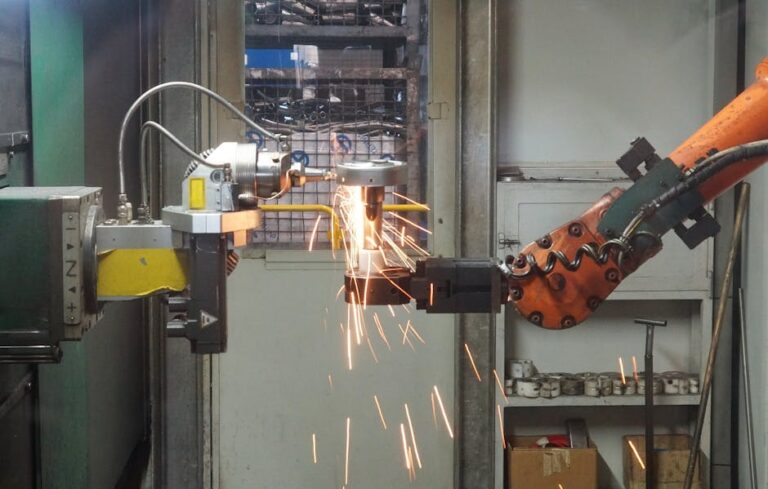
Manufacturing production time represents the core component of your China sourcing lead time, typically ranging from 15-45 days depending on product complexity and order quantity. Simple products like basic textiles or injection-molded plastics may require only 15-20 days for production, while complex electronics or customized machinery can extend to 60-90 days or longer. Factory capacity utilization rates, which often reach 80-95% during peak seasons, significantly impact production scheduling and actual completion times.
Working with established manufacturers through platforms like Alibaba or direct factory relationships can provide more accurate production time estimates. However, first-time orders often require additional 7-14 days for mold creation, sample approval, and production line setup. Companies like Tesla have demonstrated that building strong supplier relationships and providing detailed specifications upfront can reduce production lead times by 20-30% compared to transactional purchasing approaches.
Quality Control and Inspection Duration
Quality control inspections add 3-7 business days to your lead time but represent a critical investment in product consistency and customer satisfaction. Third-party inspection companies like QIMA, SGS, and Intertek offer comprehensive services including pre-production inspections, during-production checks, and pre-shipment inspections. Pre-shipment inspections typically require 1-3 days to complete, with detailed reports delivered within 24-48 hours after inspection completion.
The cost of quality control services generally ranges from $200-400 per man-day, with most inspections requiring 1-3 man-days depending on order size and product complexity. Investing in quality control can reduce return rates by 40-60% and prevent costly recalls or negative reviews that damage brand reputation. For Amazon FBA sellers especially, maintaining quality standards is essential for account health metrics and Buy Box eligibility.
Shipping and Logistics Transit Times
International shipping from China offers multiple options with varying transit times and costs. Sea freight remains the most economical choice for large shipments, with transit times of 25-45 days to US West Coast ports and 35-55 days to East Coast ports. Air freight provides faster delivery at 5-10 days but costs 4-6 times more than sea freight. Express courier services through DHL, FedEx, or UPS offer 3-5 day delivery for urgent shipments under 500kg.
Rail freight through the China-Europe Railway Express has emerged as a middle-ground option, offering 14-18 day transit times to European destinations at costs 30-50% lower than air freight. For businesses sourcing from China, understanding these logistics options and their lead time implications enables better inventory planning and cost optimization strategies.
Seasonal Factors Affecting Lead Times
Chinese New Year Impact on Production
Chinese New Year represents the most significant annual disruption to China sourcing lead times, typically affecting production for 4-6 weeks between late January and mid-February. Factory shutdowns begin 1-2 weeks before the official holiday as workers travel to their hometowns, and full production capacity may not resume until 2-3 weeks after the holiday ends. Smart businesses place orders 60-90 days before Chinese New Year to ensure adequate inventory during the production gap.
The post-holiday period often brings workforce changes, with 15-25% of factory workers not returning to their previous positions. This turnover can temporarily reduce production efficiency and extend lead times by 10-20% during the first month after operations resume. Planning for these disruptions and maintaining buffer stock can prevent stockouts during this critical transition period.
Peak Season Challenges and Solutions
The Q4 peak season from September through December creates significant pressure on China sourcing lead times as businesses worldwide rush to build inventory for holiday sales. During this period, factory lead times typically extend by 20-40%, shipping costs increase by 30-50%, and port congestion can add 7-14 days to delivery times. Amazon FBA sellers face additional pressure as Amazon’s receiving warehouses experience their own capacity constraints.
To mitigate peak season risks, experienced importers begin placing orders in June-July for Q4 inventory, allowing 90-120 days total lead time instead of the standard 60-75 days. This proactive approach provides buffer time for production delays, quality issues, and shipping disruptions that become more common during high-demand periods.
Golden Week and Other Holiday Considerations
China’s Golden Week holiday in early October creates a 7-day production shutdown that can extend lead times by 10-14 days when accounting for pre-holiday slowdown and post-holiday ramp-up. Other regional holidays and factory-specific shutdowns for maintenance or employee events can also impact production schedules. Maintaining open communication with suppliers about their holiday calendars helps prevent unexpected delays.
Understanding these seasonal patterns and incorporating them into your planning calendar is essential for maintaining consistent inventory availability. Working with a knowledgeable China sourcing agent can help navigate these complexities and ensure your orders are timed appropriately.
Product Category Lead Time Variations
Consumer Electronics and Technology Products
Consumer electronics typically require longer lead times of 45-75 days due to component sourcing, assembly complexity, and testing requirements. Products requiring custom PCBs, specialized chips, or firmware development may extend to 90-120 days for initial orders. The global semiconductor shortage that affected electronics manufacturing has largely normalized in 2026, but certain components still require 8-12 week lead times.
Quality control for electronics is particularly critical, with comprehensive testing protocols adding 5-10 days to production timelines. Working with manufacturers who have existing relationships with component suppliers and established testing procedures can reduce overall lead times by 15-25% compared to working with new or untested suppliers.
Textiles, Apparel, and Soft Goods
Textile and apparel production lead times range from 30-60 days, with simpler items like t-shirts and basic garments on the shorter end and complex items like jackets or technical sportswear requiring the full 60-day range. Fabric sourcing can add 7-14 days if materials are not readily available, and custom dyeing or printing processes extend timelines further. Seasonal fabric availability and minimum order quantities for materials also impact production scheduling.
The apparel industry’s trend toward smaller, more frequent orders has led many factories to offer expedited production options at premium pricing, reducing standard lead times by 30-40% for urgent orders. However, these expedited services typically cost 15-25% more than standard production rates.
Home Goods and Furniture
Home goods and furniture items present unique lead time challenges due to their size, material diversity, and shipping requirements. Production times of 35-55 days are common, but shipping large, bulky items via sea freight adds 35-50 days to total lead times. Furniture requiring wood, metal, fabric, and foam components involves coordinating multiple material suppliers, each with their own lead times and potential delays.
Assembly requirements, packaging design, and compliance testing for furniture safety standards add additional time to the production process. Businesses sourcing furniture from China should plan for total lead times of 75-100 days from order placement to warehouse delivery.
Strategies for Reducing Lead Times
Supplier Relationship Development
Building strong relationships with Chinese suppliers can reduce lead times by 15-25% through priority production scheduling, better communication, and proactive problem-solving. Long-term partnerships encourage suppliers to allocate capacity to your orders and provide early warning of potential delays. Regular factory visits, consistent order volumes, and fair payment terms strengthen these relationships over time.
Companies that invest in supplier development programs, including technical assistance, quality management system implementation, and capacity planning support, often see lead time improvements of 20-30% within 12-18 months. These investments create mutual benefits and position your business as a preferred customer.
Inventory Buffer Strategies
Maintaining safety stock of 4-8 weeks of inventory provides buffer against lead time variability and unexpected disruptions. While this approach increases working capital requirements by 15-30%, it significantly reduces stockout risk and provides flexibility to handle demand fluctuations. The optimal safety stock level depends on product seasonality, demand variability, and the cost of stockouts versus carrying costs.
For businesses using Amazon FBA, strategic inventory placement across multiple fulfillment centers and maintaining 60-90 days of inventory in the Amazon network helps navigate the platform’s capacity constraints and ensures consistent product availability during peak selling periods. Our Amazon FBA sourcing guide provides detailed strategies for inventory optimization.
Communication and Documentation Best Practices
Clear, detailed specifications and documentation can reduce lead times by 10-15% by minimizing back-and-forth communication and production errors. Providing comprehensive technical drawings, material specifications, and quality standards upfront prevents misunderstandings that cause delays. Using project management tools and establishing regular communication cadences keeps all parties aligned on timelines and expectations.
Working with suppliers who have English-speaking staff and experience with international clients streamlines communication and reduces the risk of errors that extend production timelines. Investing time in thorough product development and specification documentation pays dividends throughout the production relationship.
Quality Control’s Impact on Lead Times
Pre-Production Inspection Benefits
Pre-production inspections verify raw material quality and production setup before manufacturing begins, preventing costly delays from defective materials or incorrect specifications. While adding 3-5 days to the initial timeline, these inspections can save 10-20 days by catching issues early before production is underway. The cost of pre-production inspections, typically $250-500, is minimal compared to the cost of reworking or scrapping defective production.
For high-value orders or complex products, pre-production inspections provide peace of mind and establish quality baselines that inform subsequent production stages. Professional quality control services can customize inspection protocols to your specific product requirements.
During-Production Monitoring
During-production inspections allow early detection of quality issues while corrections are still feasible without significant timeline impact. Inspecting 20-30% of production at the 30-50% completion stage identifies problems before the entire order is manufactured incorrectly. This proactive approach typically adds 2-3 days but can prevent 15-30 day delays from reworking completed production.
Real-time production monitoring through digital platforms and regular factory communication provides visibility into production progress and potential issues. Some factories now offer live production updates and video calls to show production status, reducing the need for physical inspections while maintaining quality oversight.
Pre-Shipment Inspection Protocols
Pre-shipment inspections represent the final quality gate before products leave the factory, typically conducted when 80-100% of production is complete and 50-80% is packed. These inspections verify that finished goods meet specifications and identify any defects before shipping. Inspection companies like QIMA and SGS provide detailed reports with photos and measurements within 24-48 hours of inspection completion.
While pre-shipment inspections add 3-7 days to lead times, they prevent the far greater cost and time impact of receiving defective products. For Amazon FBA sellers, preventing defective inventory from entering fulfillment centers is essential for maintaining account health and avoiding removal fees.
Shipping Options and Their Lead Time Implications
Sea Freight Transit Times and Planning
Sea freight remains the dominant shipping method for China sourcing, offering the lowest cost per unit for shipments over 2-3 cubic meters. Transit times of 25-45 days to US West Coast ports and 35-55 days to East Coast ports require careful inventory planning to prevent stockouts. Port congestion, customs delays, and drayage availability can add 5-15 days to these baseline transit times, particularly during peak seasons.
Full container load (FCL) shipments offer faster processing at ports compared to less than container load (LCL) shipments, which require consolidation and deconsolidation time. Planning for 45-60 day total delivery times from factory to warehouse provides realistic expectations for sea freight shipments.
Air Freight and Express Options
Air freight provides significantly faster transit times of 5-10 days at costs 4-6 times higher than sea freight. This option is ideal for high-value products, urgent inventory replenishment, or time-sensitive launches. Express courier services through DHL, FedEx, and UPS offer 3-5 day delivery for packages under 500kg, with costs of $5-15 per kilogram depending on service level and destination.
For businesses needing to balance speed and cost, a hybrid approach using air freight for immediate inventory needs while sea freight handles bulk replenishment orders optimizes both lead time and logistics costs. This strategy requires careful demand forecasting and inventory management to execute effectively.
Customs Clearance and Import Processing
Customs clearance typically adds 3-7 days to delivery times, though complex shipments or documentation issues can extend this to 10-14 days. Working with experienced customs brokers and ensuring complete, accurate documentation minimizes delays. Required documents include commercial invoice, packing list, bill of lading, and any product-specific certifications or compliance documentation.
Understanding import duties, tariffs, and regulatory requirements for your product category prevents unexpected costs and delays. The US Section 301 tariffs on Chinese goods continue to affect many product categories in 2026, with rates ranging from 7.5-25% depending on product classification.
Technology and Tools for Lead Time Management
Digital Supply Chain Platforms
Modern supply chain management platforms provide real-time visibility into production status, shipping tracking, and inventory levels. Platforms like Alibaba’s Trade Assurance offer order tracking and payment protection, while specialized supply chain software provides demand forecasting, supplier performance analytics, and automated reorder alerts. These tools can reduce lead time variability by 15-20% through better planning and early issue identification.
Integration between supply chain platforms and e-commerce systems like Amazon Seller Central enables automated inventory management and reorder triggers based on sales velocity and lead time parameters. This automation reduces manual oversight requirements and prevents stockouts through proactive replenishment.
Supplier Performance Tracking
Tracking supplier performance metrics including on-time delivery rate, quality defect rate, and lead time consistency enables data-driven supplier selection and management. Suppliers with consistent 95%+ on-time delivery rates and defect rates below 2% typically provide more reliable lead times than those with variable performance. Regular performance reviews and scorecards maintain accountability and drive continuous improvement.
Building a qualified supplier network with 2-3 backup suppliers for critical products provides resilience against lead time disruptions from any single supplier. This redundancy adds complexity but ensures business continuity when primary suppliers experience delays or quality issues.
Forecasting and Demand Planning
Accurate demand forecasting enables proactive ordering that accounts for lead times and prevents both stockouts and excess inventory. Statistical forecasting methods using historical sales data, seasonal patterns, and market trends can predict demand with 70-85% accuracy for established products. New product launches require more conservative estimates and larger safety stocks to handle demand uncertainty.
Collaborative planning with suppliers, sharing forecasts and promotional calendars, enables factories to prepare materials and capacity in advance. This collaboration can reduce lead times by 10-15% and improve supplier responsiveness to demand changes.
Conclusion and Planning Recommendations
Successfully managing China sourcing lead times in 2026 requires understanding the multiple components that contribute to total timeline, from manufacturing and quality control to shipping and customs clearance. By planning for realistic lead times of 60-90 days for standard products and 90-120 days for complex items, businesses can maintain healthy inventory levels and meet customer demand consistently.
Strategic investments in supplier relationships, quality control processes, and inventory buffers provide resilience against lead time variability and disruptions. Leveraging technology for visibility and automation improves planning accuracy and reduces manual oversight requirements. With proper planning and the right partners, China sourcing remains a competitive advantage for businesses worldwide.
Partner with topchinasourcing.com – contact us at https://topchinasourcing.com/contact/