
Introduction to China Product Packaging in 2026
The Chinese manufacturing landscape continues to evolve rapidly, and product packaging remains a critical component of successful sourcing strategies. In 2026, businesses importing from China face new regulations, sustainability requirements, and consumer expectations that make packaging decisions more important than ever. Understanding the nuances of China product packaging can mean the difference between a successful product launch and costly delays at customs.
Working with experienced partners like China sourcing agents helps navigate the complex packaging ecosystem. From material selection to compliance testing, every aspect of packaging requires careful consideration. Companies such as Alibaba and Amazon have raised the bar for packaging standards, making it essential for importers to stay informed about the latest developments in design and specifications.
This comprehensive guide covers everything you need to know about China product packaging in 2026, including regulatory requirements, design considerations, cost factors, and quality control measures. Whether you’re a first-time importer or an experienced sourcing professional, this guide provides actionable insights to optimize your packaging strategy.
Understanding Chinese Packaging Regulations and Standards
GB National Standards Overview
China’s GB (Guobiao) national standards form the foundation of packaging requirements for all products sold in or exported from China. These standards cover everything from material composition to labeling requirements, and compliance is mandatory for all manufacturers. The GB standards are regularly updated, with significant revisions occurring in 2024-2025 that impact 2026 packaging specifications.
Manufacturers must obtain GB certification for packaging materials, which typically costs between $2,000-5,000 depending on the product category and testing complexity. This certification process usually takes 45-90 days, so importers should factor this timeline into their production schedules. Working with established suppliers who already hold relevant certifications can significantly reduce delays and costs.
Export-Specific Packaging Requirements
Products destined for international markets must meet both Chinese export standards and the import requirements of destination countries. This dual compliance requirement often necessitates additional testing and documentation. Companies like SGS and Intertek offer comprehensive testing services to verify compliance with multiple regulatory frameworks simultaneously.
The European Union’s Packaging and Packaging Waste Directive (PPWD) and the United States’ FDA regulations for food-contact packaging are particularly important considerations. Non-compliance can result in shipment rejections, with rejection rates reaching 15-20% for inadequately documented packaging. Importers should budget an additional 10-15% of packaging costs for compliance testing and certification.
Environmental Compliance and Sustainability Standards
China’s 2025 environmental regulations have introduced stricter requirements for packaging sustainability. The new standards mandate that 30-50% of packaging materials must be recyclable or biodegradable for most consumer products. This represents a significant shift from previous requirements and has prompted many manufacturers to invest in new materials and processes.
Major retailers like Amazon have implemented their own sustainability requirements through programs like Frustration-Free Packaging, which incentivizes reduced packaging waste. Suppliers on Alibaba increasingly highlight eco-friendly packaging options, with sustainable packaging now representing approximately 25% of all packaging inquiries on the platform.
Essential Design Considerations for China Packaging
Structural Design and Protection
Effective packaging design begins with understanding the product’s protection requirements throughout the supply chain. Products shipped from China typically undergo multiple handling points, extended transit times of 30-60 days, and varying environmental conditions. Structural integrity testing, including drop tests and compression tests, should be conducted during the quality control process.
Corrugated cardboard remains the most common packaging material, with B-flute and C-flute profiles being standard for export packaging. The choice between single-wall, double-wall, or triple-wall construction depends on product weight and fragility. Heavy products exceeding 20 kg typically require double-wall construction, which adds 30-40% to packaging costs compared to single-wall alternatives.
Graphic Design and Branding Elements
Visual design plays a crucial role in consumer perception and brand recognition. Chinese manufacturers have significantly improved their printing capabilities, with many now offering offset printing, flexographic printing, and digital printing options. High-quality offset printing typically requires a minimum order quantity of 1,000-5,000 units to be cost-effective.
Color accuracy is a common challenge when working with Chinese suppliers, with color matching variations of 10-15% being typical without proper specification. Providing Pantone color references and requesting pre-production samples can reduce variations to 3-5%. Tesla and other major brands working with Chinese suppliers typically require color approval samples before proceeding with full production.
Size Optimization and Cost Efficiency
Package dimensions directly impact shipping costs, which can represent 40-60% of total landed costs for products imported from China. Optimizing package size to minimize dimensional weight charges is essential for cost-effective sourcing. Even small reductions in package dimensions can yield significant savings when multiplied across thousands of units.
Amazon FBA sellers should pay particular attention to size tier classifications, as products exceeding certain dimensions face significantly higher fulfillment fees. Working with suppliers to redesign packaging can sometimes reduce a product’s size tier, resulting in savings of $1-3 per unit. For high-volume products, these savings can amount to tens of thousands of dollars annually.
Material Selection and Specifications
Corrugated Cardboard Options
Corrugated cardboard remains the dominant packaging material for products sourced from China, offering an excellent balance of protection, cost, and sustainability. The material is available in various grades, with BC-flute (double-wall) being particularly popular for export packaging due to its superior strength-to-weight ratio. Standard lead times for custom corrugated packaging range from 15-30 days.
Moisture resistance is a critical consideration for ocean freight shipments, which encounter high humidity environments during transit. Applying a moisture-resistant coating or using wax-impregnated corrugated can prevent packaging degradation, though these treatments add 15-25% to material costs. Desiccant packets should be included in packaging for moisture-sensitive products.
Plastic Packaging Materials
Plastic packaging continues to be essential for many products, though environmental concerns are driving increased scrutiny of material choices. PET and RPET (recycled PET) are increasingly preferred for clear packaging, with RPET typically costing 20-30% more than virgin PET. Many major retailers now require minimum recycled content percentages in plastic packaging.
Blister packs, clamshells, and thermoformed trays are common plastic packaging formats available from Chinese suppliers. Tooling costs for custom thermoformed packaging range from $3,000-10,000 depending on complexity, with production lead times of 20-45 days. Working with suppliers who have existing tooling for standard formats can significantly reduce costs and lead times.
Sustainable and Eco-Friendly Alternatives
The shift toward sustainable packaging has accelerated dramatically, with options like molded pulp, biodegradable plastics, and paper-based alternatives becoming mainstream. Molded pulp packaging, made from recycled paper fibers, offers excellent protection and is fully biodegradable. Costs have decreased by 30-40% over the past three years as production capacity has expanded.
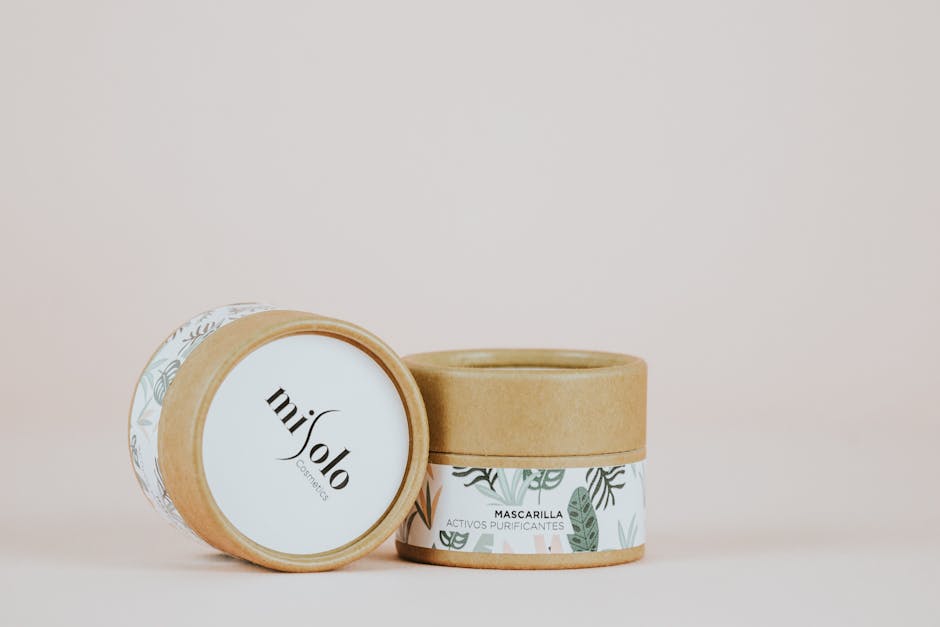
Bamboo-based packaging has emerged as a popular premium sustainable option, particularly for consumer electronics and cosmetics. While bamboo packaging typically costs 50-100% more than conventional materials, it offers strong brand differentiation and appeals to environmentally conscious consumers. Major brands are increasingly incorporating bamboo packaging as part of their sustainability commitments.
Quality Control and Testing Requirements
Pre-Production Testing Protocols
Establishing comprehensive testing protocols before production begins is essential for ensuring packaging quality. Pre-production testing should include material verification, print quality assessment, and structural integrity evaluation. Companies like QIMA offer comprehensive pre-production inspection services, with costs typically ranging from $200-400 per inspection.
Material testing should verify compliance with specified standards, including basis weight, thickness, and burst strength for corrugated materials. Print testing should evaluate color accuracy, adhesion, and resistance to fading or smudging. Structural testing should simulate actual shipping conditions, including vibration, compression, and drop tests appropriate to the product and shipping method.
In-Production Quality Assurance
During production, regular quality checks ensure consistent packaging quality across the entire production run. Statistical sampling protocols, such as AQL (Acceptable Quality Level) standards, provide a framework for determining inspection frequency and acceptance criteria. AQL 2.5 is commonly used for packaging inspections, allowing for a 2.5% defect rate.
Common packaging defects include printing errors, dimensional variations, material defects, and assembly issues. Establishing clear defect classifications (critical, major, minor) with suppliers helps ensure consistent quality expectations. Digital inspection reports with photographs provide documentation for quality discussions and serve as evidence in case of disputes.
Final Inspection and Acceptance Criteria
Final inspection before shipment is the last opportunity to identify and address packaging issues. A comprehensive final inspection should verify packaging quantity, quality, labeling accuracy, and compliance with specifications. Third-party inspection services typically charge $300-500 per man-day, with most inspections completed within 1-2 days.
Acceptance criteria should be clearly defined in purchase agreements, including provisions for rejection and rework. Suppliers generally allow 5-10 days for rework of minor defects, while major defects may require complete reproduction. Maintaining a quality scorecard for suppliers helps track performance over time and informs sourcing decisions.
Cost Factors and Budgeting for Packaging
Direct Packaging Costs
Direct packaging costs include materials, printing, tooling, and labor. For custom packaging, tooling costs represent a significant upfront investment, with cutting dies for corrugated packaging costing $100-500 and printing plates costing $200-1,000 per color. These costs are typically amortized across the production run, making larger orders more cost-effective per unit.
Unit packaging costs vary widely based on material, complexity, and quantity. Simple corrugated boxes may cost $0.10-0.50 per unit, while complex custom packaging with multiple components can cost $2-5 per unit or more. Requesting detailed cost breakdowns from suppliers helps identify opportunities for cost optimization without compromising quality.
Hidden and Indirect Costs
Beyond direct costs, several indirect costs impact total packaging expenditure. Compliance testing and certification costs, ranging from $500-5,000 depending on requirements, should be factored into budgets. Storage costs for packaging inventory, typically $0.50-2.00 per cubic meter per month, can be significant for large-volume orders.
Shipping costs for packaging materials to the production facility are often overlooked. For suppliers located far from packaging manufacturers, these costs can add 5-15% to packaging expenses. Consolidating packaging production with product manufacturing at a single location can reduce these logistics costs.
Cost Optimization Strategies
Several strategies can help optimize packaging costs without sacrificing quality. Standardizing packaging across product lines reduces tooling costs and enables volume pricing. Negotiating longer payment terms with suppliers improves cash flow, with 30-60 day terms being common for established relationships. Multi-year supply agreements can lock in pricing and guarantee capacity.
Value engineering involves analyzing packaging requirements to identify opportunities for material reduction or simplification. Reducing packaging weight by 10-20% through design optimization can yield significant cost savings while maintaining adequate protection. Working with packaging engineers, either through suppliers or independent consultants, can identify optimization opportunities.
Working with Chinese Packaging Suppliers
Finding and Vetting Suppliers
Identifying reliable packaging suppliers is crucial for successful sourcing. Alibaba remains the primary platform for finding Chinese packaging suppliers, with thousands of verified suppliers offering diverse capabilities. However, thorough vetting is essential, as supplier quality varies significantly. Requesting samples, visiting facilities, and checking references are critical vetting steps.
Trade shows such as the China Packaging Exhibition and Canton Fair provide opportunities to meet suppliers in person and evaluate their capabilities. Working with a sourcing agent can streamline supplier identification and vetting, as agents typically have established relationships with reliable suppliers across various packaging categories.
Communication and Specification Management
Clear communication is essential for successful packaging projects. Detailed specification documents should include material specifications, dimensional drawings, printing requirements, and quality standards. Providing physical samples of reference packaging helps suppliers understand expectations more clearly than written specifications alone.
Language barriers can lead to misunderstandings, so using simple language and confirming understanding through back-translation is advisable. Visual communication tools, including annotated photographs and videos, help bridge language gaps. Regular video calls during the development process help maintain alignment and quickly address questions.
Managing Production and Delivery
Effective production management requires clear timelines, regular communication, and proactive problem-solving. Establishing milestone checkpoints throughout the production process enables early identification of issues. Requesting photos and videos at key production stages provides visibility without requiring on-site presence.
Delivery coordination is particularly important for packaging, as delays can impact overall production schedules. Building buffer time into schedules, typically 15-20% beyond quoted lead times, helps accommodate unexpected delays. Maintaining safety stock of packaging materials, equivalent to 2-4 weeks of production, provides protection against supply disruptions.
Future Trends in China Packaging for 2026 and Beyond
Smart Packaging Integration
Smart packaging technologies are increasingly being integrated into product packaging, offering enhanced functionality and consumer engagement. QR codes, NFC tags, and RFID technology enable product authentication, traceability, and interactive experiences. Chinese suppliers are rapidly adopting these technologies, with costs decreasing by 40-50% over the past two years.
Intelligent packaging that monitors product condition during transit, including temperature, humidity, and shock indicators, is becoming more accessible. These technologies are particularly valuable for sensitive products such as pharmaceuticals, electronics, and food items. Integration costs range from $0.10-1.00 per unit depending on technology complexity.
Automation and Digital Printing Advances
Automation in packaging production is accelerating, improving consistency and reducing costs. Digital printing technology has advanced significantly, enabling cost-effective short runs and personalization that were previously impractical. Digital printing now represents approximately 20% of packaging printing in China, with continued growth expected.
On-demand packaging production is emerging as a viable option for smaller orders, with lead times as short as 5-10 days for digital printing. This capability enables faster time-to-market and reduces inventory carrying costs. As digital printing quality continues to improve, it is expected to capture increasing market share from traditional printing methods.
Sustainability as Standard Practice
Sustainability is transitioning from a differentiator to a standard requirement across the packaging industry. Regulatory pressures, retailer mandates, and consumer expectations are driving this shift. By 2026, sustainable packaging options are expected to reach price parity with conventional materials for many applications, removing cost barriers to adoption.
Extended Producer Responsibility (EPR) regulations are expanding globally, requiring brands to take responsibility for packaging end-of-life. Chinese suppliers are developing expertise in designing for recyclability and using recycled content to help brands meet EPR requirements. Forward-thinking brands are partnering with suppliers to develop closed-loop packaging systems.
Conclusion
Navigating China product packaging in 2026 requires a comprehensive understanding of regulations, materials, design principles, and supplier management. The packaging landscape continues to evolve rapidly, with sustainability requirements, smart packaging technologies, and quality standards becoming increasingly sophisticated. Success requires proactive planning, clear communication, and strong supplier relationships.
Working with experienced partners and investing in quality control processes helps mitigate risks and ensure successful outcomes. The investment in proper packaging design and specification pays dividends through reduced damage rates, lower shipping costs, and enhanced brand perception. As the Chinese packaging industry continues to mature, importers have access to increasingly sophisticated capabilities and options.
Whether you’re launching a new product or optimizing existing packaging, the principles outlined in this guide provide a framework for success. By understanding requirements, selecting appropriate materials, implementing robust quality control, and building strong supplier relationships, you can develop packaging that protects your products, enhances your brand, and meets evolving regulatory requirements.
Partner with topchinasourcing.com – contact us at https://topchinasourcing.com/contact/