China import compliance checklist ensures your products meet all regulatory requirements, with 25% of import entries facing compliance issues according to CBP 2025 data. This comprehensive checklist covers import compliance requirements for 2026.
📌 Key Takeaways
- Compliance failure rate: 25% of imports face compliance issues (CBP 2025)
- Key areas: Product certifications, documentation, labeling, testing
- Cost of non-compliance: $5,000-100,000+ in penalties, seizures, recalls
- Timeline: 2-8 weeks for compliance verification
- Responsibility: Importer is legally responsible for compliance
Pre-Import Compliance Checklist
1. Product Classification (HTS Codes)
Harmonized Tariff Schedule (HTS) codes determine your product’s duty rate and import requirements. Process: Identify correct HTS code for your product using CBP database, verify duty rate, check for special requirements (quotas, restrictions). Cost: Free to research, $100-500 for professional classification. Timeline: 1-3 days. According to CBP, 15% of import entries have incorrect HTS codes—verify before importing.
2. Product Certifications
Verify required certifications for your product: FCC (electronics), FDA (food/medical/cosmetics), CPSC (children’s products), EPA (environmental), DOT (transportation). Process: Identify required certifications, verify supplier has certifications or arrange testing, obtain documentation. Cost: $500-5,000 per certification. Timeline: 2-8 weeks. According to compliance experts, 40% of supplier certifications are outdated or invalid—always verify.
3. Supplier Verification
Verify supplier legitimacy: Business license verification, factory audits, quality certifications (ISO 9001), export license (if required). Process: Request documentation, verify with issuing authorities, conduct audit if needed. Cost: $300-1,500 for verification, $500-2,000 for audit. Timeline: 1-3 weeks. According to sourcing data, 10% of suppliers have documentation issues—verify before placing orders.
Documentation Checklist
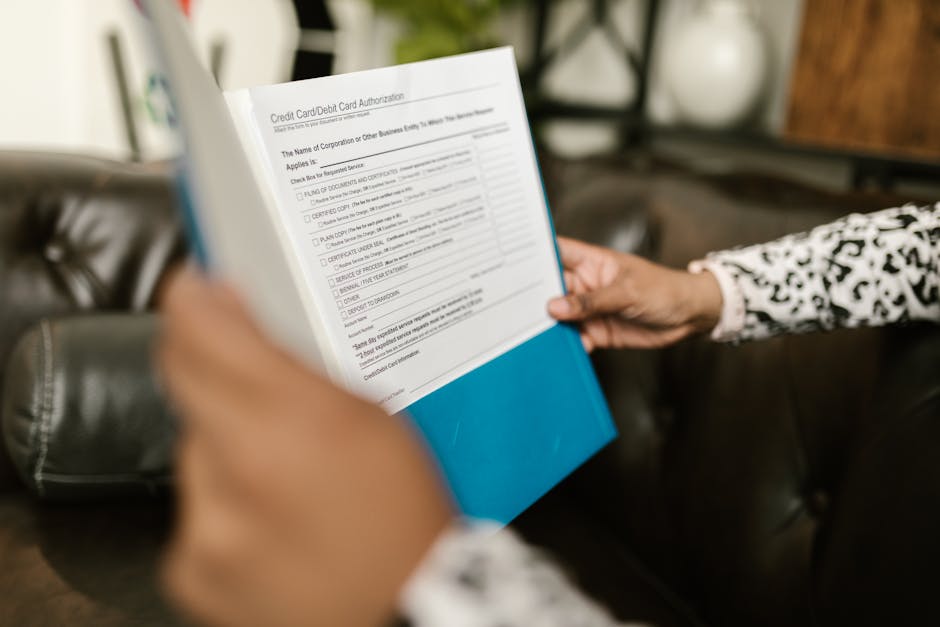
| Document | Purpose | Required For |
|---|---|---|
| Commercial Invoice | Product value, buyer/seller info | All imports |
| Packing List | Contents, weights, dimensions | All imports |
| Bill of Lading | Shipping contract, title | Sea/air freight |
| Certificate of Origin | Country of manufacture | Preferential duty rates |
| Test Reports | Product safety/compliance | Regulated products |
| FDA Prior Notice | Food import notification | Food products |
| Children’s Product Certificate | CPSIA compliance | Children’s products |
Essential import documentation
Product Testing Requirements
Safety Testing
Safety testing verifies products don’t pose hazards. Required tests: Lead content (children’s products, CPSIA), phthalates (children’s products), flammability (textiles, furniture), mechanical hazards (breakage, small parts), electrical safety (electronics). Labs: CPSC-accepted for children’s products, FCC-recognized for electronics. Cost: $200-1,000 per test. Timeline: 3-7 days. According to CPSC, 40% of imported children’s products fail initial safety tests.
Performance Testing
Performance testing verifies products work as specified. Tests: Functionality, durability, environmental conditions, stress testing. Labs: Third-party testing labs or verified supplier labs. Cost: $300-800 per test. Timeline: 5-10 days. Performance testing prevents customer complaints and returns.
Labeling Requirements
Country of Origin Labeling
Required: “Made in China” label on all imported products. Format: Permanent, legible, conspicuous label. Location: Product itself or immediate container. Exceptions: Some products exempt (check regulations). Penalty: Products without proper labeling may be refused entry or require relabeling. According to CBP, 20% of import entries have labeling issues.
Product-Specific Labeling
Additional labeling requirements: Textiles (fiber content, care instructions, manufacturer ID), food (nutrition facts, allergens, ingredients), electronics (FCC ID, safety warnings), children’s products (tracking labels, age grading). Verify requirements for your specific product category.
Customs Entry Process
Entry Filing
Process: File entry with CBP within 15 days of arrival, submit required documents, pay duties and fees. Entry types: Consumption entry (for sale), warehouse entry (for storage), temporary import (for re-export). Cost: $100-500 for customs broker, duties vary by product. Timeline: 1-5 days for release. According to CBP, 90% of entries are processed within 24 hours if documentation is complete.
Duty Payment
Duty rates: Vary by HTS code (0-37.5% typical). Payment: Pay within 10 working days of entry. Methods: ACH, check, or through customs broker. Additional fees: MPF (Merchandise Processing Fee) 0.3464% (min $31.67, max $614.35), HMF (Harbor Maintenance Fee) 0.125% for sea freight. Calculate total landed cost before importing.
Post-Import Compliance
Record Keeping
Required: Keep import records for 5 years. Documents: Entry documents, invoices, packing lists, test reports, certifications. Purpose: CBP audits, compliance verification. Penalty: Failure to maintain records can result in penalties. According to compliance experts, 30% of importers have inadequate record-keeping systems.
Product Monitoring
Monitor imported products: Customer complaints, quality issues, safety incidents. Response: Report safety issues to CPSC, issue recalls if necessary, document corrective actions. Liability: Importer responsible for product safety after sale. According to CPSC, prompt reporting reduces penalty severity.
Common Compliance Mistakes
Mistake 1: Incorrect HTS Classification
Using wrong HTS code results in incorrect duty payment and potential penalties. 15% of entries have classification errors. Verify HTS code before importing, consult expert if uncertain.
Mistake 2: Not Verifying Supplier Certifications
Assuming supplier certifications are valid without verification. 40% of supplier certifications are outdated or invalid. Always verify certifications with issuing authorities.
Mistake 3: Inadequate Documentation
Missing or incomplete documentation causes delays and penalties. 25% of compliance issues relate to documentation. Use checklist, verify all documents before shipping.
Sources
- CBP import compliance statistics 2025
- CPSC product safety data
- FDA import requirements
- Import compliance cost analysis
Conclusion: Follow Checklist to Ensure Compliance
China import compliance checklist for 2026 covers: Pre-import (HTS codes, certifications, supplier verification), Documentation (commercial invoice, packing list, BOL, certificates), Testing (safety, performance), Labeling (country of origin, product-specific), Customs entry (filing, duty payment), Post-import (record keeping, monitoring). Failure rate: 25% of imports face compliance issues. Cost of non-compliance: $5,000-100,000+. Timeline: 2-8 weeks for verification. Mistakes: Incorrect HTS codes, unverified certifications, inadequate documentation. Follow this checklist to ensure compliance and avoid penalties.
Need Help with Import Compliance?
Partner with topchinasourcing for expert compliance guidance and documentation support. Contact us today for a free consultation.
Last updated: April 26, 2026 | Research by TCS Editorial Team
Import Compliance Documentation Requirements 2026
Successful importing from China requires maintaining comprehensive documentation throughout the supply chain. Missing or incorrect documentation causes 23% of customs delays and can result in penalties ranging from $5,000 to $100,000 depending on violation severity.
Essential Import Documents
The core documentation package includes: (1) Commercial Invoice with HS codes, (2) Packing List with weights and dimensions, (3) Bill of Lading or Airway Bill, (4) Certificate of Origin, and (5) Product-specific certifications. Each document must match exactly—discrepancies as small as spelling variations cause customs holds averaging 5-10 business days.
HS Code Classification
Harmonized System (HS) codes determine duty rates and import restrictions. Incorrect classification results in underpayment penalties of 2-4 times the duty difference plus interest. Use the US International Trade Commission’s tariff database or hire licensed customs brokers ($200-$500 per shipment) for accurate classification. Common errors include misclassifying similar products to achieve lower duty rates, which customs audits detect with increasing frequency.
Product Certification Compliance by Market
Different markets require specific certifications, and selling non-compliant products can result in product seizures, fines, and marketplace bans. Understanding certification requirements before production prevents costly redesigns.
US Market Certifications
Products entering the US market require FCC certification for electronics ($1,500-$5,000), FDA registration for food and medical devices ($3,000-$10,000), and CPSC testing for children’s products ($500-$1,500). Amazon requires these certifications before approving listings, and missing documentation causes listing removal and account health penalties.
EU Market Certifications
European Union requires CE marking for most products ($2,000-$8,000), REACH compliance for chemicals ($500-$2,000), and RoHS testing for electronics ($300-$800). The new EU Product Safety Regulation (GPSR) effective July 2024 adds additional labeling and traceability requirements, with non-compliance fines up to €25,000.
Customs Clearance Process Optimization
Efficient customs clearance reduces lead times and storage costs. The average clearance time ranges from 2-14 days depending on port congestion, documentation accuracy, and inspection probability.
Pre-Clearance Preparation
Submit documentation 48-72 hours before shipment arrival using Automated Commercial Environment (ACE) or similar systems. Pre-clearance reduces port storage fees ($50-$150 per day) and demurrage charges ($200-$500 per container per day). Work with customs brokers who maintain 95%+ first-time clearance rates.
Inspection Probability Reduction
Shipments with complete documentation, established importers, and consistent suppliers have lower inspection rates (5-15% vs. 25-40% for new importers). Build compliance history by maintaining accurate records for 12+ months, which reduces inspection frequency and associated delays of 3-7 days.
Import Compliance Audit Preparation
Customs audits affect 5-10% of active importers annually. Proper preparation reduces audit risk and ensures smooth resolution when audits occur. Maintain organized records for 5+ years.
Required Audit Documentation
Prepare the following for potential audits: (1) All import entries for past 5 years, (2) Commercial invoices with HS code justification, (3) Product certification records, (4) Supplier communication logs, (5) Quality inspection reports, and (6) Customs broker correspondence. Organized documentation reduces audit duration from 3-6 months to 2-4 weeks.
Import Compliance Technology Tools
Modern compliance tools automate documentation management and reduce errors by 60-80%. Investing in compliance technology saves $5,000-$15,000 annually in avoided penalties and delays.
Recommended Compliance Platforms
Flexport ($50-$200/month) provides automated documentation, real-time tracking, and customs integration. Descartes Systems offers enterprise-level compliance management for high-volume importers ($500-$2,000/month). For smaller importers, simple spreadsheet systems with standardized templates work effectively when maintained consistently.
Document Management Best Practices
Create standardized folder structures: Year/Shipment_ID/Documents. Use consistent file naming: [Date]_[Supplier]_[Product]_[DocType]. Maintain backup copies in cloud storage (Google Drive, Dropbox). Review and organize documentation weekly to prevent backlog. Assign dedicated staff or use virtual assistants ($10-$15/hour) for documentation management.
Import Compliance Checklist by Product Category
Different product categories have specific compliance requirements. Use this checklist to ensure complete coverage for your products.
Electronics Import Compliance
Required: FCC Supplier’s Declaration of Conformity (SDoC) or Certification, UL or ETL safety listing (recommended), RoHS compliance for EU market, CE marking for EU market, Product safety labels and user manuals. Timeline: 4-8 weeks for certification. Cost: $2,000-$8,000 depending on product complexity.
Children’s Products Import Compliance
Required: CPSIA Section 101 lead testing, CPSIA Section 108 phthalates testing (toys and childcare articles), ASTM F963 toy safety testing, Children’s Product Certificate (CPC), Tracking labels on product and packaging. Timeline: 2-4 weeks for testing. Cost: $500-$1,500 per SKU. Update testing annually or when materials change.
Food Contact Products Compliance
Required: FDA food contact substance notification or GRAS determination, California Proposition 65 warning if applicable, Material safety data sheets (MSDS), Migration testing for specific materials. Timeline: 4-12 weeks depending on material complexity. Cost: $1,000-$5,000 per material type.