Introduction to China Manufacturing in 2026
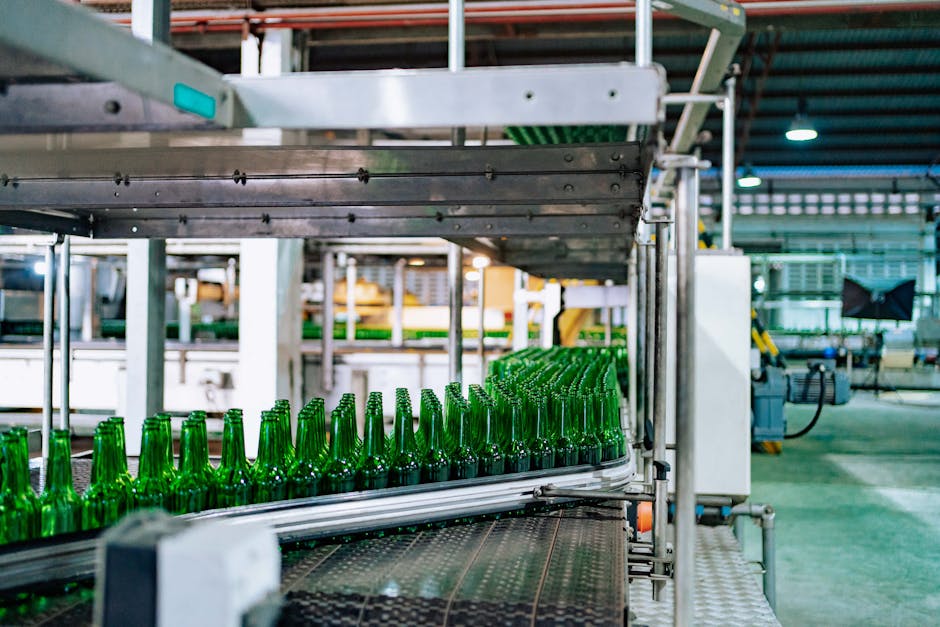
China remains the world’s manufacturing powerhouse in 2026, despite growing competition from Southeast Asian countries and ongoing geopolitical tensions. Understanding the true costs of manufacturing in China has become more critical than ever for businesses looking to maintain competitive pricing while ensuring product quality. The landscape has shifted significantly over the past few years, with labor costs rising steadily and new regulations affecting everything from environmental compliance to export procedures.
For Amazon sellers, e-commerce entrepreneurs, and established brands, China continues to offer an unbeatable combination of mature supply chains, skilled workforce, and infrastructure that simply cannot be replicated elsewhere in the short term. Companies like Tesla have demonstrated that manufacturing in China can be highly profitable when approached strategically, with their Shanghai Gigafactory becoming their most productive facility worldwide. However, success requires a deep understanding of the cost structures involved.
This comprehensive guide breaks down every aspect of China manufacturing costs in 2026, from raw materials and labor to hidden fees and negotiation strategies. Whether you’re a first-time importer or looking to optimize your existing supply chain, this guide will provide the actionable insights you need to make informed decisions and maximize your margins.
Understanding the Core Cost Components
Raw Material Costs and Market Fluctuations
Raw material costs typically represent 40-60% of your total manufacturing cost, making them the most significant expense to monitor and manage. In 2026, we’ve seen considerable volatility in commodity prices, with steel prices fluctuating between $600-900 per metric ton depending on grade and origin. Plastic resins have similarly experienced price swings of 15-25% based on oil prices and supply chain disruptions.
Smart buyers work with suppliers to lock in material prices for 3-6 month periods, protecting against sudden market spikes. Many manufacturers on Alibaba offer material cost breakdowns, allowing you to track these fluctuations independently. Understanding the commodity markets affecting your specific product category is essential for effective cost management and negotiation leverage.
Labor Costs Across Different Regions
China’s labor costs have increased by approximately 8-12% annually over the past decade, with significant regional variations that can impact your bottom line. Coastal manufacturing hubs like Guangdong and Zhejiang provinces now have average factory wages of $800-1,200 per month for skilled workers, while inland provinces like Sichuan and Henan offer rates 20-30% lower. However, the lower costs often come with trade-offs in logistics efficiency and supplier ecosystem maturity.
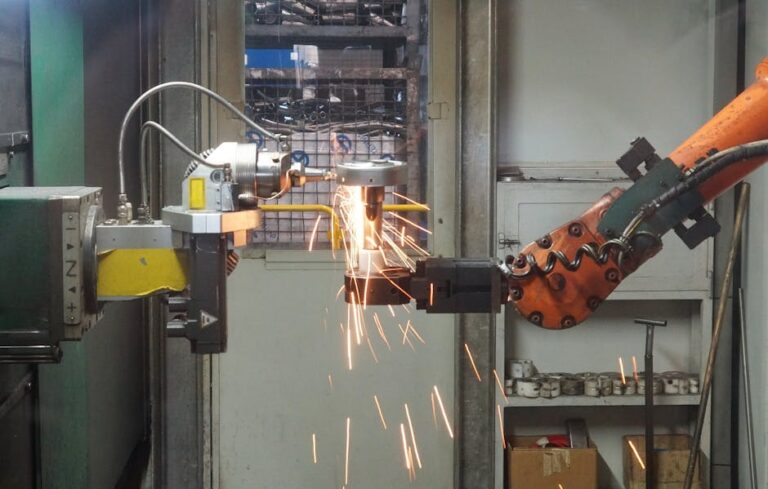
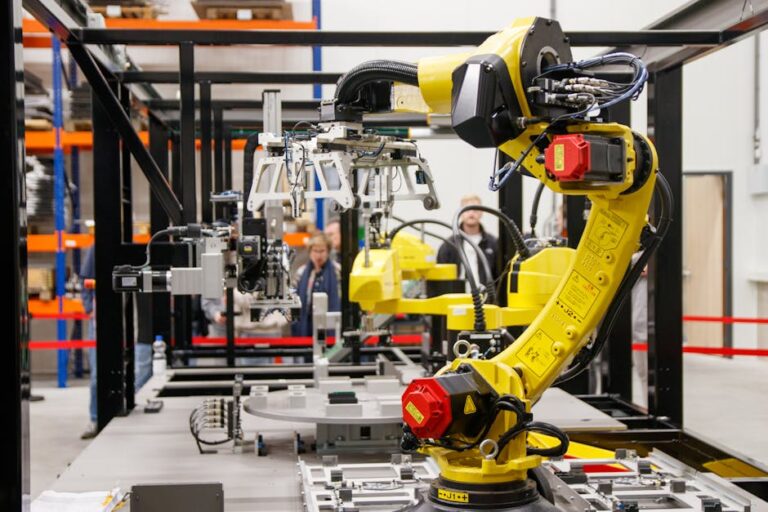
The skilled labor shortage in specialized manufacturing sectors has driven wages even higher, with experienced engineers and quality control specialists commanding $1,500-2,500 monthly. Automation has helped some manufacturers control these costs, but initial investments in automated production lines range from $50,000-500,000 depending on complexity. For labor-intensive products, this remains a critical cost factor to consider.
Factory Overhead and Equipment Depreciation
Factory overhead costs include utilities, equipment maintenance, facility rent, and administrative expenses, typically adding 15-25% to direct production costs. Modern factories with advanced automation spread these costs across higher output volumes, while smaller workshops may have lower overhead but reduced capacity and consistency. Understanding your supplier’s production scale helps evaluate their cost structure and pricing flexibility.
Equipment depreciation is particularly relevant for custom products requiring specialized tooling or molds. Injection molds for plastic products can cost $2,000-50,000 depending on size and complexity, while custom metal stamping dies range from $5,000-100,000. These upfront investments are typically amortized across production runs, affecting unit pricing significantly for smaller orders.
Hidden Costs That Impact Your Bottom Line
Quality Control and Inspection Expenses
Quality control is not an area where you can afford to cut corners, yet many importers underestimate these costs until problems arise. Professional inspection services from companies like QIMA, SGS, or Intertek typically charge $200-400 per man-day, with most inspections requiring 1-3 days depending on product complexity and order size. A comprehensive quality control program should allocate 2-5% of your product cost to inspection and testing activities.
Working with a reliable China sourcing agent can help you navigate quality control more efficiently, as they often have established relationships with inspection companies and can negotiate better rates. Pre-shipment inspections, during-production checks, and container loading supervision each serve different purposes and should be selected based on your risk tolerance and product value.
Shipping and Logistics Considerations
Freight costs have stabilized somewhat in 2026 after the extreme volatility of previous years, but remain a significant expense requiring careful planning. Ocean freight from Shanghai to Los Angeles currently ranges from $2,000-4,000 per 40-foot container, while air freight costs $4-8 per kilogram depending on urgency and routing. For time-sensitive shipments, the 45-90 day lead time for ocean freight must be weighed against the premium cost of air shipping.
Many Amazon FBA sellers find that working with specialized logistics providers who understand Amazon’s requirements can reduce headaches and costs. Our Amazon FBA sourcing guide provides detailed strategies for optimizing your logistics chain and meeting Amazon’s strict receiving requirements. Don’t forget to factor in domestic trucking, customs clearance fees of $100-300 per shipment, and port handling charges.
Tariffs, Duties, and Regulatory Compliance
The tariff landscape continues to evolve, with Section 301 tariffs on Chinese goods remaining in effect for many product categories at rates of 7.5-25%. Additionally, standard Most Favored Nation duty rates apply, ranging from 0-37% depending on product classification. Understanding your product’s HTS code and applicable duty rates is essential for accurate cost calculations and landed cost analysis.
Compliance costs extend beyond tariffs to include product testing, certification, and documentation requirements. Electronics sold in the US require FCC certification costing $1,000-5,000, while children’s products need CPSC testing at $500-3,000 per SKU. Working with established testing laboratories like SGS or Intertek ensures your products meet all regulatory requirements and avoid costly port holds or recalls.
Negotiation Strategies for Better Pricing
Understanding Supplier Cost Structures
Effective negotiation begins with understanding how your supplier calculates their pricing and where flexibility exists. Most manufacturers operate on margins of 10-20%, leaving limited room for dramatic price reductions without compromising quality. However, suppliers often pad their initial quotes by 15-30% expecting negotiation, particularly when dealing with new customers. Building a relationship and demonstrating serious purchase intent can unlock better pricing over time.
Request detailed cost breakdowns including materials, labor, overhead, and profit margin to identify areas for optimization. Suppliers may resist sharing this information initially, but established relationships and larger order commitments typically open doors to more transparent discussions. Understanding commodity price trends for your key materials also provides leverage in negotiations.
Volume Commitments and Payment Terms
Volume remains the most powerful lever in manufacturing negotiations, with suppliers offering discounts of 10-30% for orders that double or triple their minimum quantities. However, committing to volumes you cannot sell ties up capital and creates inventory risk. A better approach is negotiating tiered pricing that rewards larger orders while maintaining flexibility, or discussing annual volume agreements with quarterly releases.
Payment terms significantly impact your cash flow and can be negotiated as part of the overall package. Standard terms are 30% deposit with 70% before shipment, but established relationships may secure 30-70 terms with final payment after quality inspection. Suppliers may offer 2-3% discounts for early payment, which can add up significantly over time. Balance the cost of capital against these discounts to determine optimal payment timing.
Leveraging Competition Without Burning Bridges
While comparing quotes from multiple suppliers is essential, using quotes purely as leverage against your preferred supplier can damage relationships and signal that you’re not a serious partner. Instead, genuinely evaluate each supplier’s capabilities, quality standards, and total value proposition. A supplier charging 5% more but delivering consistently higher quality may provide better total cost of ownership than the lowest bidder.
When presenting competitive quotes, frame the discussion around understanding market pricing rather than demanding matching. Professional suppliers respect informed buyers and may explain their value proposition or find creative ways to reduce costs. This approach builds trust and positions you as a knowledgeable partner rather than a transactional customer.
Industry-Specific Cost Considerations
Electronics and Technology Products
Electronics manufacturing in China offers significant cost advantages, but requires careful attention to component sourcing and intellectual property protection. PCB assembly costs range from $0.05-0.50 per square inch depending on complexity, layer count, and volume. Component costs fluctuate based on global semiconductor markets, with lead times for certain chips still extending 12-30 weeks despite post-pandemic improvements.
Intellectual property protection is paramount in electronics manufacturing, with costs for protective measures ranging from $5,000-20,000 for patents, trademarks, and non-disclosure agreements. Working with established manufacturers who serve major brands like Apple or Tesla provides some assurance of security practices, though additional precautions are always warranted for proprietary designs.
Textiles and Apparel Manufacturing
Textile manufacturing costs vary dramatically based on fabric type, construction complexity, and order quantities. Basic cotton t-shirts can be produced for $1.50-4.00 per unit at quantities of 1,000+, while complex garments with multiple fabrics and embellishments may cost $8-25 per unit. Fabric sourcing represents 40-60% of garment costs, making material selection crucial for price positioning.
Sustainability certifications add 5-15% to production costs but increasingly differentiate products in Western markets. Organic cotton, recycled materials, and fair labor certifications each carry cost premiums but command higher retail prices and appeal to conscious consumers. Consider your target market’s willingness to pay for these attributes when making sourcing decisions.
Consumer Goods and Home Products
Home goods and general consumer products offer some of the best opportunities for cost optimization through material substitution and design simplification. Plastic housewares typically cost $0.50-5.00 per unit depending on size and complexity, while metal products range from $1.00-15.00. Working with industrial designers who understand manufacturing constraints can reduce production costs by 20-40% without sacrificing functionality or aesthetics.
Packaging costs are often overlooked but can represent 5-15% of total product cost. Custom packaging with premium printing and materials adds significantly to expenses, while standardized packaging options offer savings. Balance brand presentation requirements against cost efficiency, particularly for products sold through Amazon where the “ships in own packaging” program can reduce packaging needs.
Quality Assurance Investment Analysis
Calculating the True Cost of Quality Failures
Quality failures cost far more than most importers realize, with studies showing that defective products cost 5-10 times their production cost when accounting for returns, replacements, damaged reputation, and lost sales. A $5 product defect can result in $25-50 in total costs when customer service, return shipping, and negative reviews are factored in. This makes quality assurance investments extremely cost-effective even at significant expense.
Professional quality control services typically identify defects in 15-30% of production runs, preventing costly problems before they reach customers. The cost of a $300 inspection that catches a 10% defect rate on a $10,000 order pays for itself many times over by preventing returns and protecting your brand reputation. Quality should be viewed as an investment rather than an expense.
Building Quality into Your Supply Chain
The most effective quality assurance programs start before production begins, with detailed product specifications, approved samples, and clear quality standards communicated to suppliers. Investing 2-3% of your product development budget in creating comprehensive specification documents and golden samples reduces miscommunication and production errors significantly. This upfront investment pays dividends throughout the production relationship.
During production, implement a multi-stage inspection protocol including raw material verification, in-process checks, and final inspection before shipment. Each stage catches different types of defects, with material issues best identified early and assembly problems detected during production. This approach typically reduces defect rates by 50-70% compared to final inspection alone.
Future Trends Affecting Manufacturing Costs
Automation and Industry 4.0 Impact
China’s push toward Industry 4.0 and smart manufacturing is transforming cost structures across sectors. Automated production lines require significant upfront investment but reduce labor costs by 40-60% while improving consistency and quality. Forward-thinking manufacturers are passing some of these savings to customers, making it worthwhile to seek out automated facilities for suitable products.
The transition to automation also creates opportunities for smaller buyers, as flexible manufacturing systems can switch between products more quickly than traditional lines. This reduces minimum order quantities and setup costs, making custom and small-batch production more accessible. Ask potential suppliers about their automation capabilities and how they might benefit your specific products.
Sustainability and Environmental Compliance Costs
Environmental regulations in China have tightened significantly, with factories now required to meet strict emissions standards and waste management protocols. Compliance costs add 3-8% to production costs but ensure supply chain stability and meet Western buyers’ sustainability requirements. Factories cutting corners on environmental compliance face shutdowns that can disrupt your supply chain for weeks or months.
Carbon border adjustment mechanisms being implemented in Europe and discussed in the US will eventually add costs to carbon-intensive manufacturing. Proactively working with suppliers on sustainability improvements positions your supply chain for future regulatory requirements and appeals to environmentally conscious consumers. Consider sustainability as a long-term investment rather than a current expense.
Regional Diversification and Alternative Sourcing
While China remains dominant, regional diversification to Vietnam, India, and other Southeast Asian countries is accelerating. These alternatives offer labor costs 30-50% lower than China but come with less mature supply chains and infrastructure limitations. For labor-intensive products like basic apparel and simple assemblies, these alternatives are increasingly viable and worth exploring as part of a diversified sourcing strategy.
However, China’s advantages in complex manufacturing, electronics, and products requiring sophisticated supply chains remain strong. The total cost of managing multiple sourcing regions, including quality control, logistics complexity, and relationship management, often exceeds the direct labor savings. Evaluate alternatives carefully based on your specific product requirements and risk tolerance.
Conclusion and Action Steps
Successfully navigating China manufacturing costs in 2026 requires a comprehensive understanding of all cost components, from obvious expenses like materials and labor to hidden costs like quality failures and compliance requirements. The businesses that thrive are those that invest time in understanding their supply chains, build strong supplier relationships, and implement robust quality assurance programs.
Start by auditing your current manufacturing costs against the benchmarks provided in this guide. Identify areas where you may be overpaying or underinvesting, particularly in quality assurance and compliance. Develop a negotiation strategy based on volume commitments, payment terms, and long-term relationship building rather than short-term price pressure.
Remember that the lowest price rarely delivers the best total cost of ownership. Quality, reliability, communication, and partnership value all contribute to successful manufacturing relationships. By taking a strategic approach to China sourcing, you can build a sustainable competitive advantage that supports your business growth for years to come.
Partner with topchinasourcing.com – contact us at https://topchinasourcing.com/contact/