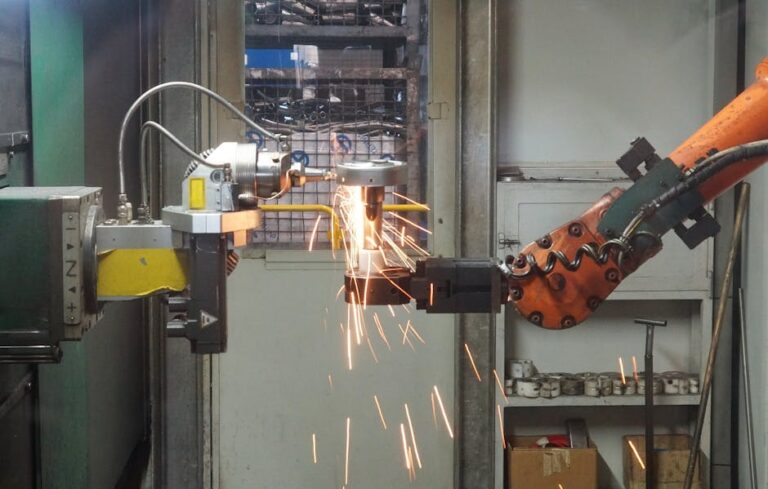

China manufacturing costs remain 40-60% lower than Western alternatives despite rising labor costs, with average factory wages reaching $8-12 per hour in 2026. Understanding the complete cost breakdown—labor (20-30%), materials (40-50%), and overhead (20-30%)—enables importers to negotiate effectively, identify cost reduction opportunities, and make informed sourcing decisions. This comprehensive guide provides detailed cost analysis for China manufacturing in 2026, helping you optimize your sourcing strategy.
China Manufacturing Cost Overview
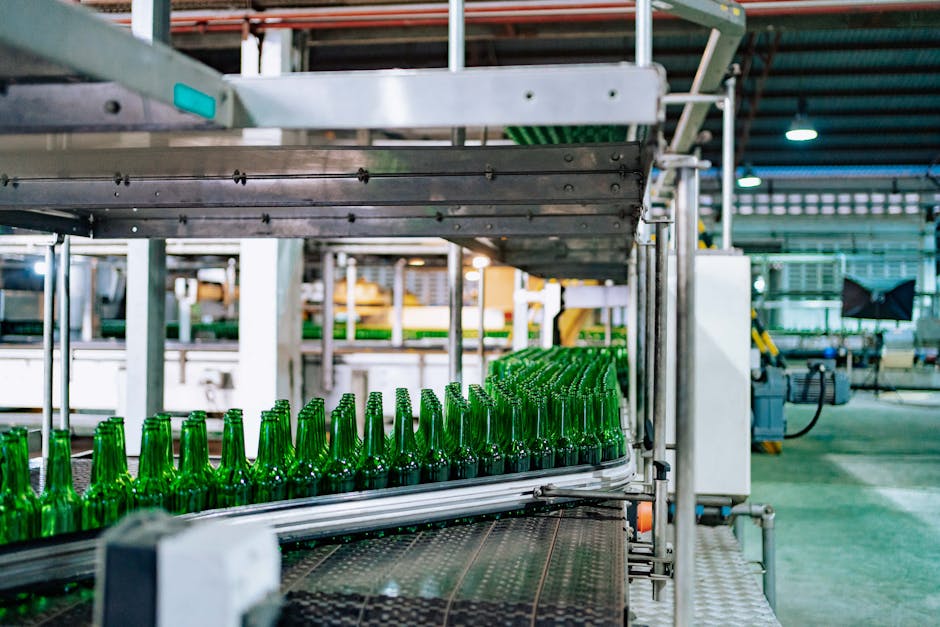
China’s manufacturing cost advantage stems from: established supply chains, specialized manufacturing clusters, economies of scale, and government infrastructure investment. While labor costs have risen 300% since 2005, productivity improvements and automation have maintained China’s competitiveness. Total manufacturing costs in China average 40-60% lower than US and 20-35% lower than Mexico and Vietnam for most product categories. However, costs vary significantly by product type, manufacturing complexity, and supplier location.
Cost Component Breakdown
Manufacturing costs divide into three components: direct materials (40-50% of total cost), direct labor (20-30%), and manufacturing overhead (20-30%). Materials include raw materials, components, and packaging. Labor includes production workers, quality control, and supervision. Overhead includes equipment depreciation, facility costs, utilities, and administrative expenses. Understanding this breakdown helps identify negotiation opportunities and cost reduction strategies.
Cost Variations by Product Category
Manufacturing costs vary by product complexity: simple injection-molded products (labor 15-20%, materials 50-60%), textile products (labor 25-35%, materials 40-50%), electronics assembly (labor 20-25%, materials 45-55%), and complex machinery (labor 30-40%, materials 35-45%). Labor-intensive products (textiles, leather goods) face greater cost pressure from rising wages, while material-intensive products (plastics, metal fabrication) are more sensitive to commodity prices.
Labor Costs in China Manufacturing
Factory Wage Trends
Chinese factory wages averaged $8-12 per hour in 2026, up from $6-9 in 2023 and $2-3 in 2010. Coastal manufacturing hubs (Shenzhen, Shanghai, Dongguan) pay $10-15 per hour, while inland regions (Sichuan, Hunan, Jiangxi) pay $6-9 per hour. Despite increases, Chinese wages remain 60-70% lower than US manufacturing wages ($25-35 per hour). Rising wages drive automation adoption and productivity improvements, maintaining cost competitiveness.
Labor Cost by Manufacturing Process
Labor costs vary by process complexity: injection molding (low labor, high automation) 15-20% of cost, CNC machining (moderate labor) 20-25%, manual assembly (high labor) 30-40%, and textile production (labor-intensive) 25-35%. Products requiring manual processes face greater cost pressure from wage increases. Design for manufacturability (DFM) reduces labor content by simplifying assembly and enabling automation.
Automation and Productivity
Chinese factories invested $50 billion in automation in 2025, increasing productivity 15-25% annually. Automated production lines reduce labor content by 40-60% while improving quality consistency. For high-volume products (100,000+ units annually), automation reduces costs by 10-20%. However, automation requires upfront investment ($50,000-500,000 per production line), making it viable for established products with stable demand.
Material Costs in China Manufacturing
Raw Material Price Trends
Key material prices in 2026: ABS plastic $1.50-2.00 per kg (up 15% from 2023), steel $0.60-0.80 per kg (stable), aluminum $2.00-2.50 per kg (up 10%), copper $8-10 per kg (volatile), and textiles (cotton $2.00-2.50 per kg, polyester $1.00-1.50 per kg). Material costs fluctuate with global commodity prices and Chinese domestic demand. Monitor material indices to time purchases and negotiate pricing.
Material Sourcing Advantages
China’s integrated supply chains provide material cost advantages: local material suppliers reduce logistics costs, established supplier networks enable competitive pricing, and government subsidies for strategic materials (steel, aluminum) lower costs. For example, plastic resin costs 10-15% less in China than imported alternatives due to domestic production and reduced transportation. Source materials locally when possible to maximize cost advantages.
Packaging Material Costs
Packaging costs represent 5-10% of product cost: cardboard boxes $0.10-0.50 per unit, plastic packaging $0.05-0.30, custom printed boxes $0.30-1.50, and product inserts $0.05-0.20. Optimize packaging by: standardizing box sizes, using minimal packaging that protects products, and sourcing packaging from specialized suppliers (20-30% cheaper than product manufacturers). For Amazon FBA, ensure packaging meets requirements while minimizing costs.
Overhead and Fixed Costs
Facility and Equipment Costs
Manufacturing overhead includes: facility rent ($5-15 per square meter per month in industrial areas), equipment depreciation (5-10% of equipment cost annually), utilities (electricity $0.08-0.12 per kWh, water $0.50-1.00 per cubic meter), and maintenance (3-5% of equipment value annually). Overhead costs are fixed, so higher production volumes reduce per-unit overhead. Factories operating at 70-80% capacity achieve optimal cost efficiency.
Quality Control and Testing
Quality control costs 3-5% of manufacturing cost: QC labor (1-2% of production labor), testing equipment and materials (1-2%), and defect remediation (1-2%). In-house QC is more cost-effective than third-party inspection for routine checks. Invest in testing equipment for high-volume products to reduce per-unit testing costs. Quality control investments reduce defect rates, preventing costly returns and customer complaints.
Administrative and Compliance Costs
Administrative overhead includes: management and supervision (10-15% of labor cost), compliance and certifications (ISO, environmental, safety), and documentation and record-keeping. Compliance costs have increased 20-30% due to stricter environmental and safety regulations. However, compliant factories avoid fines and production disruptions. Factor compliance costs into supplier evaluation—non-compliant factories may offer lower prices but risk operational problems.
Cost Variations by Manufacturing Hub
Coastal vs. Inland Manufacturing
Coastal manufacturing hubs (Shenzhen, Shanghai, Ningbo) offer: better infrastructure, established supply chains, skilled workforce, and proximity to ports. However, coastal costs are 15-25% higher than inland alternatives due to: higher wages, expensive real estate, and stricter regulations. Inland manufacturing (Sichuan, Hunan, Jiangxi) provides 15-25% cost savings but faces: longer shipping times to ports (2-5 days), less developed supply chains, and smaller talent pool.
Specialized Manufacturing Clusters
China’s specialized clusters provide cost advantages through: concentrated supplier networks, skilled labor pools, and infrastructure investment. Key clusters: Shenzhen (electronics, 10-15% lower electronics costs), Guangzhou (textiles, 15-20% lower textile costs), Yiwu (small commodities, 20-30% lower costs for simple products), and Dongguan (general manufacturing, balanced cost-quality). Match your product to the appropriate cluster for optimal pricing.
Free Trade Zones and Tax Incentives
China’s Free Trade Zones (FTZs) offer tax incentives: reduced corporate income tax (15% vs. 25% standard), import duty exemptions for raw materials, and simplified customs procedures. FTZs in Shanghai, Shenzhen, and other coastal cities reduce costs by 5-10% for export-oriented manufacturers. Ask suppliers about FTZ status and tax incentives—these savings can be passed through in pricing negotiations.
Hidden Costs in China Manufacturing
Tooling and Setup Costs
Tooling costs are one-time investments: injection molds $5,000-50,000 depending on complexity, CNC fixtures $1,000-10,000, and printing plates $500-2,000. Tooling is typically buyer-owned—negotiate tooling ownership and storage arrangements. For products under 10,000 units annually, tooling costs add $0.50-2.00 per unit. Consider ODM products with existing tooling to avoid upfront investment.
Sample and Development Costs
Product development costs include: sample iterations ($100-500 per round), design modifications, testing and certification, and engineering time. Budget $500-2,000 for product development before production. Rush development (2-3 weeks vs. 4-6 weeks) costs 30-50% premium. Plan development timeline to avoid rush charges and allow adequate testing.
Quality Failure Costs
Quality failures create hidden costs: production rework (10-30% of production cost), material waste (5-15% of material cost), schedule delays (opportunity cost), and customer returns (15-30% of product value). Prevent quality failures through: thorough supplier verification, pre-production inspection, and during-production monitoring. Quality prevention costs 5-10% of production cost but prevents 20-40% losses from failures.
Negotiating Manufacturing Costs
Understanding Supplier Pricing
Supplier pricing includes: direct costs (materials + labor), overhead allocation, profit margin (15-25% typical), and volume discounts. Request itemized cost breakdowns to understand pricing structure and identify negotiation opportunities. For example, if materials represent 50% of cost, negotiating 10% material cost reduction improves total cost by 5%. Focus negotiations on largest cost components for maximum impact.
Volume-Based Pricing
Suppliers offer volume discounts: 5-10% discount for doubling order quantity, 10-15% for 3x volume, and 15-20% for 5x volume. However, larger orders increase inventory risk and capital requirements. Optimize order quantity balancing volume discounts against inventory carrying costs (2-4% of inventory value per month). Use economic order quantity (EOQ) models to determine optimal order size.
Long-Term Partnership Pricing
Long-term partnerships (1-3 year commitments) unlock: 5-15% pricing discounts, priority production scheduling, dedicated quality control, and product development support. However, long-term commitments reduce flexibility. Establish partnerships with 2-3 key suppliers for core products while maintaining spot-buy capability for seasonal or variable demand. Balance commitment benefits against flexibility needs.
China vs. Alternative Manufacturing Locations
China vs. Vietnam Manufacturing Costs
Vietnam manufacturing costs are 10-15% lower than China for labor-intensive products (textiles, footwear) but 5-10% higher for material-intensive products due to less developed supply chains. Vietnam wages average $4-6 per hour vs. $8-12 in China. However, Vietnam lacks China’s manufacturing ecosystem depth, resulting in longer lead times and quality variability. Consider Vietnam for labor-intensive products with simple supply chains.
China vs. Mexico Manufacturing Costs
Mexico manufacturing costs are 20-35% higher than China but offer: faster shipping to US (3-5 days vs. 25-35 days), lower tariffs (USMCA trade agreement), and easier communication (time zone, language). Mexico makes sense for: time-sensitive products, high-tariff categories, and products requiring frequent communication. For cost-sensitive products with 30+ day lead time tolerance, China remains more economical.
China vs. US Manufacturing Costs
US manufacturing costs are 40-60% higher than China: labor $25-35 per hour vs. $8-12, materials 10-20% higher, overhead 30-50% higher. US manufacturing justifies premium for: rapid prototyping, small batch production, products requiring close collaboration, and “Made in USA” marketing value. For most consumer products, China manufacturing plus shipping remains 30-50% lower cost than US production.
2026 Manufacturing Cost Trends
Continued Wage Growth
Chinese manufacturing wages will increase 8-12% annually through 2028, driven by: demographic shifts (shrinking working-age population), government minimum wage increases, and competition for skilled workers. However, productivity improvements and automation will offset 50-70% of wage increases, maintaining cost competitiveness. Labor-intensive products will face greatest cost pressure—consider redesigning for automation.
Automation and Industry 4.0
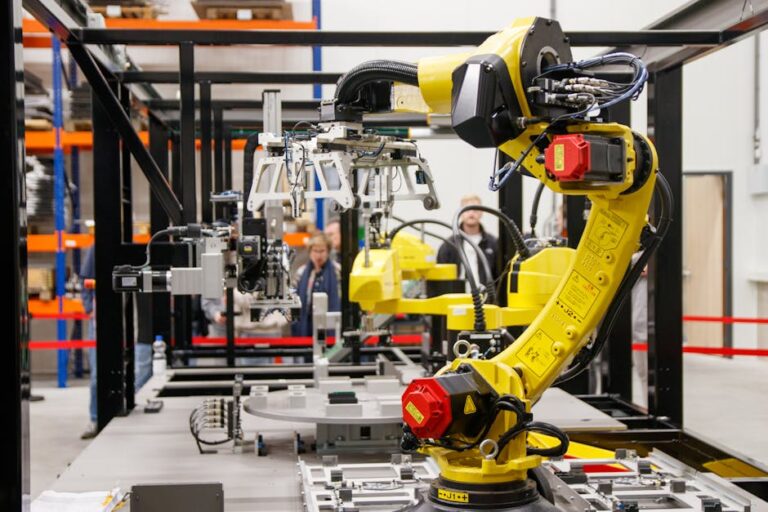
China’s “Made in China 2025” initiative drives automation investment: robotics adoption increasing 20-30% annually, AI-powered quality inspection, and smart factory systems. Automation reduces labor content by 40-60% while improving quality. For high-volume products, automated factories offer 10-20% cost advantage over manual production. Partner with factories investing in automation for long-term cost stability.
Supply Chain Resilience Costs
Post-pandemic supply chain resilience investments increase costs 5-10%: dual sourcing, safety stock requirements, and supply chain visibility systems. However, resilience investments prevent disruption costs (20-40% of annual revenue for major disruptions). Balance resilience costs against risk tolerance—critical products warrant resilience investments, while commodity products may accept higher risk for lower costs.
Conclusion: Understanding Costs Enables Optimization
China manufacturing costs remain competitive despite rising wages, with total costs 40-60% lower than US alternatives. Understanding the cost breakdown—labor (20-30%), materials (40-50%), overhead (20-30%)—enables effective negotiation and optimization. Reduce costs through: sourcing from specialized manufacturing clusters, leveraging volume discounts and long-term partnerships, optimizing product design for manufacturability, investing in quality prevention to avoid failure costs, and considering automation for high-volume products. While wages continue rising 8-12% annually, productivity improvements and automation maintain China’s cost advantage. Partner with forward-looking factories investing in automation and quality systems for sustainable cost competitiveness.
Need Help Understanding Manufacturing Costs?
Partner with topchinasourcing for transparent manufacturing cost analysis and optimization. Contact us today for a free consultation and discover how to reduce your sourcing costs.